PAWGENIX USA RESEARCH COLLECTIONS For research use only
PawgenixUSAPEPTIDESSign in

THE PAWGENIX USA SHOP

Two collections.
Your research selection.

Specially formulated for canine and equine research. Explore single-peptide editions and signature blends in our dedicated dog and horse collections. Create a Pawgenix USA customer profile to check out.

Prices are per vial in USD. U.S. shipping is $15 per order. International shipping and any applicable taxes are confirmed on your invoice. No payment is collected at checkout.

Compare purchase options

Research areas describe experimental study topics, not veterinary indications.

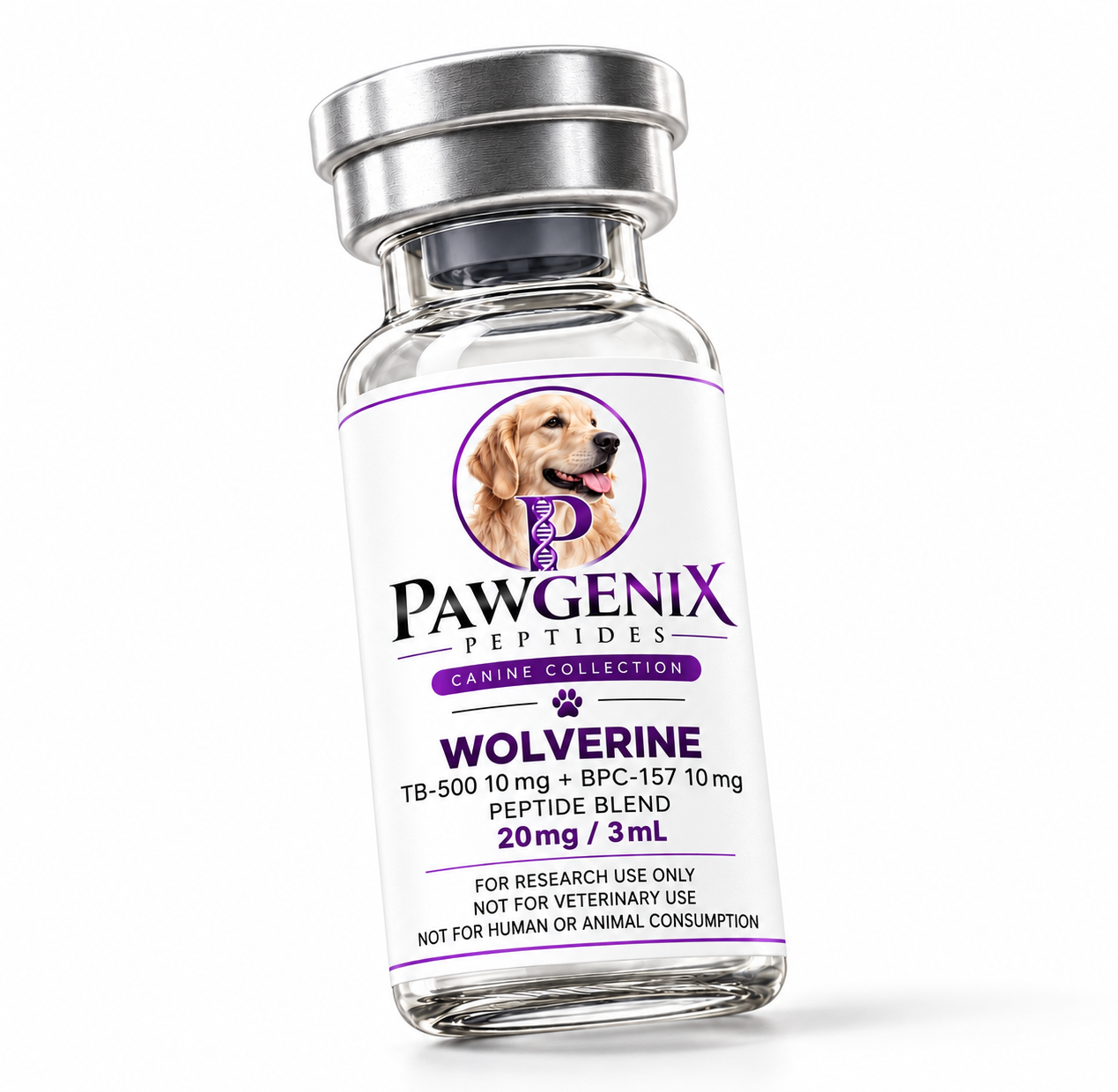
Peptide blendWolverine 20 mg / 3 mL Canine collection

Canine collection

Wolverine

20 mg / 3 mL

Blends & formulation research

Wolverine is a blend name, not a single peptide. The Pawgenix USA 20 mg edition is labeled as BPC-157 10 mg plus TB-500 10 mg.

Functions & experimental uses

Functions studied: Its listed ingredients are studied separately for tendon-cell behavior and thymosin-related biology. Ingredient mechanisms do not establish a combined Wolverine effect.

Experimental uses: Blend composition and formulation research. The 20 mg edition lists BPC-157 10 mg plus TB-500 10 mg; the 10 mg edition’s component amounts are awaiting confirmation.

Animal research: The linked papers concern individual ingredients in rat tissue or equine analytical samples. They are not animal trials of Pawgenix USA Wolverine.

Definition & research focus
$80.00Per vial · USD
Sign in to add to cart
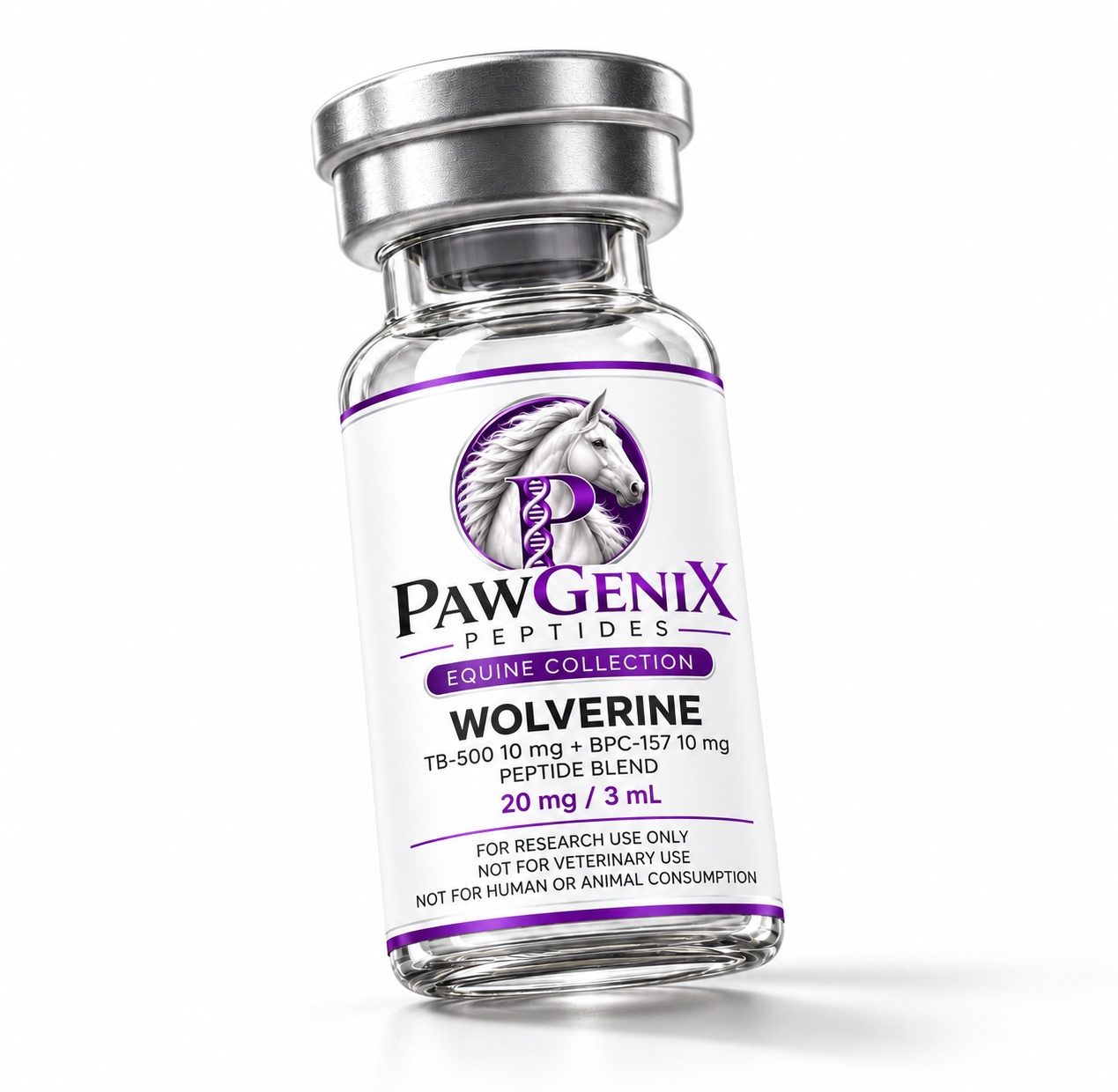
Peptide blendWolverine 20 mg / 3 mL Equine collection

Equine collection

Wolverine

20 mg / 3 mL

Blends & formulation research

Wolverine is a blend name, not a single peptide. The Pawgenix USA 20 mg edition is labeled as BPC-157 10 mg plus TB-500 10 mg.

Functions & experimental uses

Functions studied: Its listed ingredients are studied separately for tendon-cell behavior and thymosin-related biology. Ingredient mechanisms do not establish a combined Wolverine effect.

Experimental uses: Blend composition and formulation research. The 20 mg edition lists BPC-157 10 mg plus TB-500 10 mg; the 10 mg edition’s component amounts are awaiting confirmation.

Animal research: The linked papers concern individual ingredients in rat tissue or equine analytical samples. They are not animal trials of Pawgenix USA Wolverine.

Definition & research focus
$80.00Per vial · USD
Sign in to add to cart
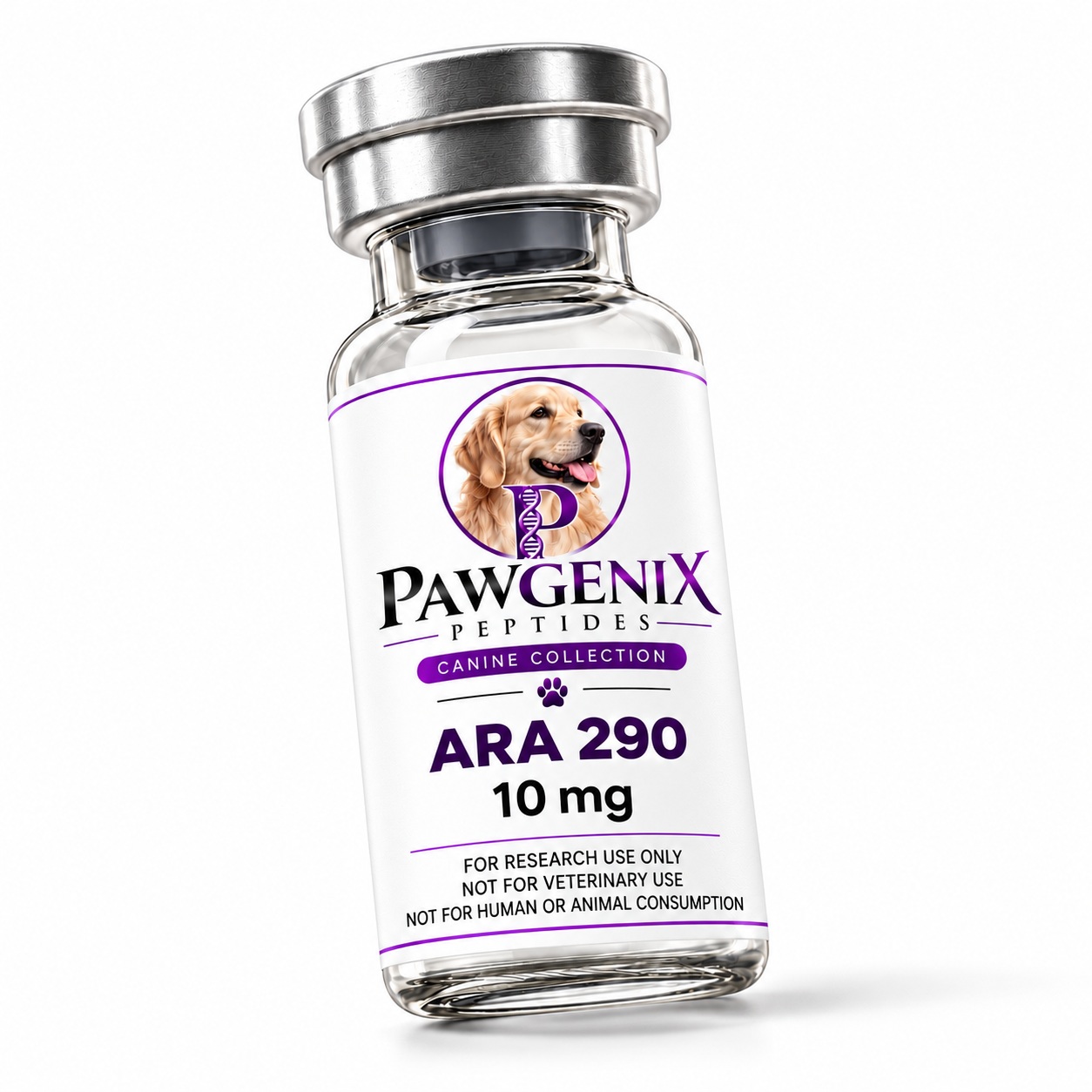
Single peptideARA 290 10 mg per vial Canine collection

Canine collection

ARA 290

10 mg per vial

Nerve & repair signaling

ARA 290 is a synthetic 11-amino-acid peptide modeled on part of erythropoietin, a naturally occurring signaling protein.

Functions & experimental uses

Functions studied: Investigated for signaling through the innate repair receptor, a receptor complex associated with responses to tissue injury. Rat experiments examined spinal microglia, the immune cells of the nervous system.

Experimental uses: Experimental nerve-injury and neuroinflammation research, including measurement of altered sensitivity after nerve damage.

Animal research: The linked study used rats. It reported changes in sensory responses and spinal microglial activity; these are experimental findings, not a canine or equine treatment indication.

Definition & research focus
$50.00Per vial · USD
Sign in to add to cart
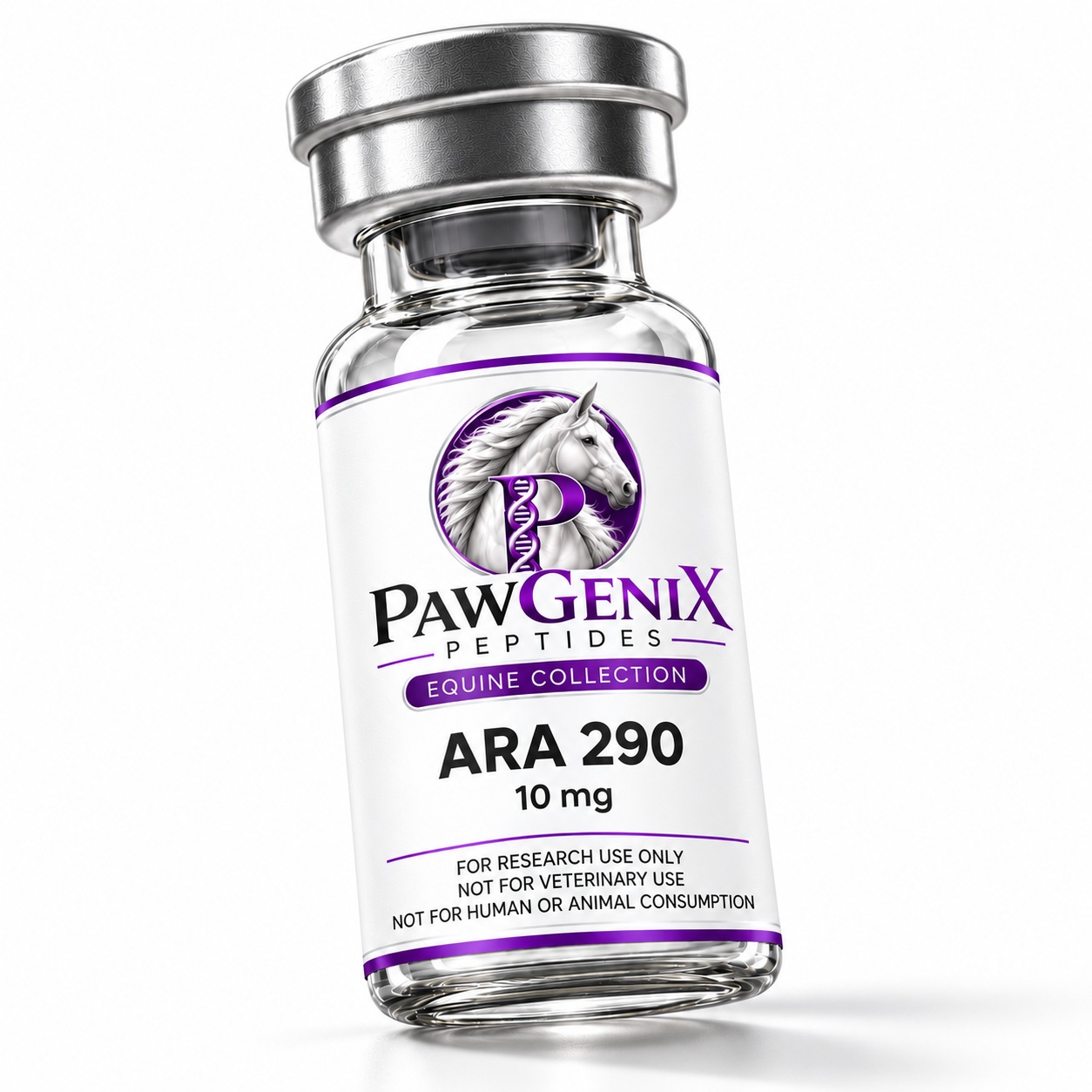
Single peptideARA 290 10 mg per vial Equine collection

Equine collection

ARA 290

10 mg per vial

Nerve & repair signaling

ARA 290 is a synthetic 11-amino-acid peptide modeled on part of erythropoietin, a naturally occurring signaling protein.

Functions & experimental uses

Functions studied: Investigated for signaling through the innate repair receptor, a receptor complex associated with responses to tissue injury. Rat experiments examined spinal microglia, the immune cells of the nervous system.

Experimental uses: Experimental nerve-injury and neuroinflammation research, including measurement of altered sensitivity after nerve damage.

Animal research: The linked study used rats. It reported changes in sensory responses and spinal microglial activity; these are experimental findings, not a canine or equine treatment indication.

Definition & research focus
$50.00Per vial · USD
Sign in to add to cart
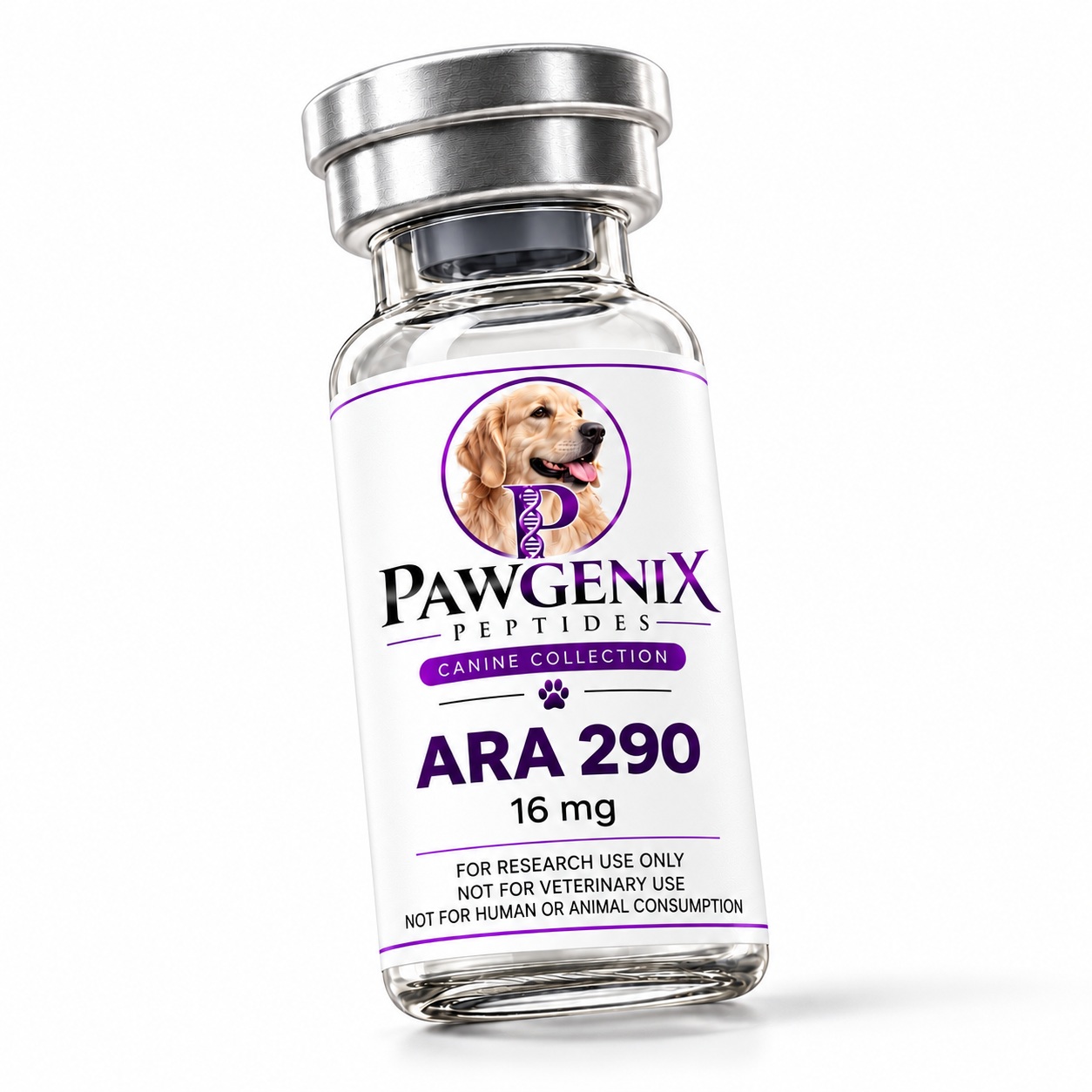
Single peptideARA 290 16 mg per vial Canine collection

Canine collection

ARA 290

16 mg per vial

Nerve & repair signaling

ARA 290 is a synthetic 11-amino-acid peptide modeled on part of erythropoietin, a naturally occurring signaling protein.

Functions & experimental uses

Functions studied: Investigated for signaling through the innate repair receptor, a receptor complex associated with responses to tissue injury. Rat experiments examined spinal microglia, the immune cells of the nervous system.

Experimental uses: Experimental nerve-injury and neuroinflammation research, including measurement of altered sensitivity after nerve damage.

Animal research: The linked study used rats. It reported changes in sensory responses and spinal microglial activity; these are experimental findings, not a canine or equine treatment indication.

Definition & research focus
$70.00Per vial · USD
Sign in to add to cart
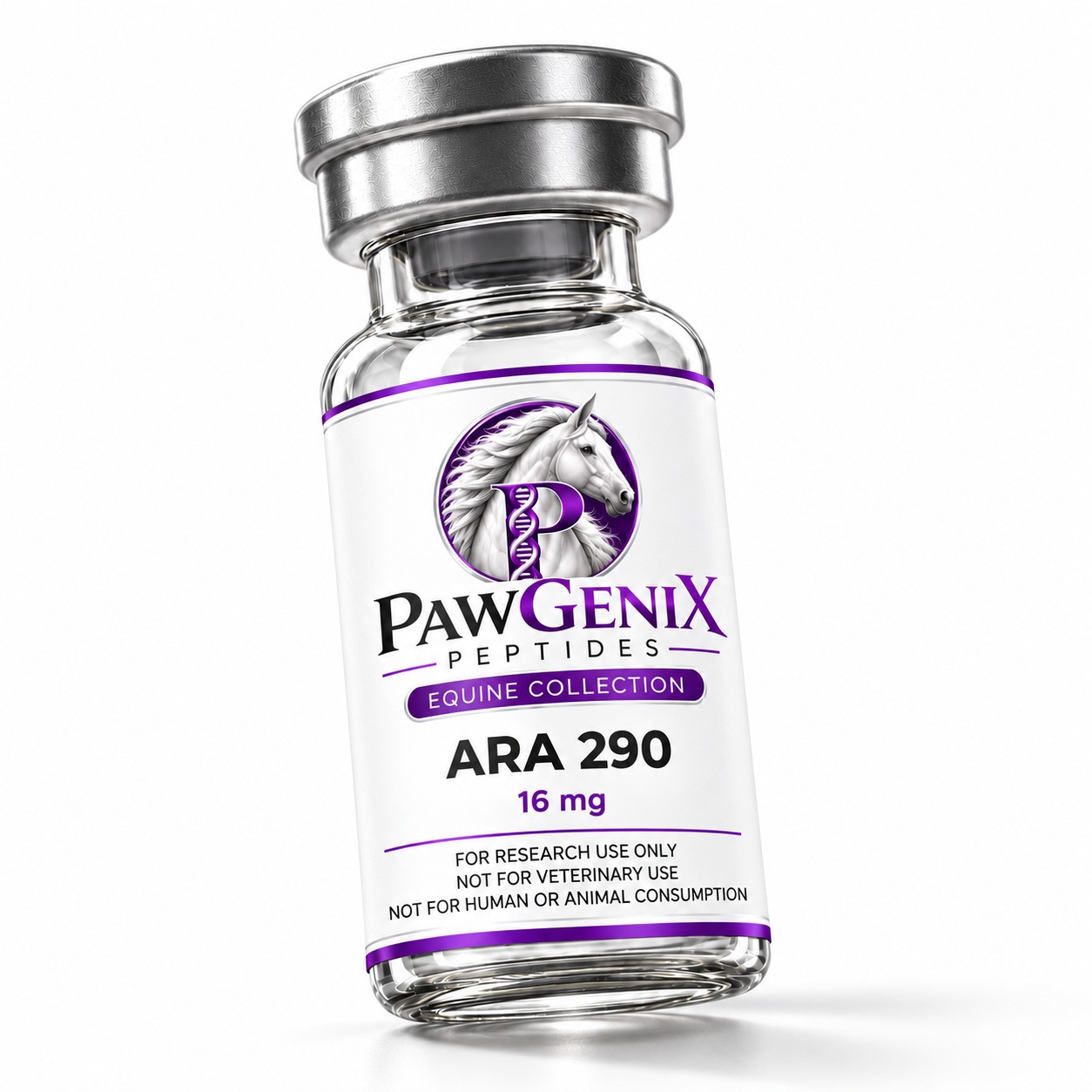
Single peptideARA 290 16 mg per vial Equine collection

Equine collection

ARA 290

16 mg per vial

Nerve & repair signaling

ARA 290 is a synthetic 11-amino-acid peptide modeled on part of erythropoietin, a naturally occurring signaling protein.

Functions & experimental uses

Functions studied: Investigated for signaling through the innate repair receptor, a receptor complex associated with responses to tissue injury. Rat experiments examined spinal microglia, the immune cells of the nervous system.

Experimental uses: Experimental nerve-injury and neuroinflammation research, including measurement of altered sensitivity after nerve damage.

Animal research: The linked study used rats. It reported changes in sensory responses and spinal microglial activity; these are experimental findings, not a canine or equine treatment indication.

Definition & research focus
$70.00Per vial · USD
Sign in to add to cart
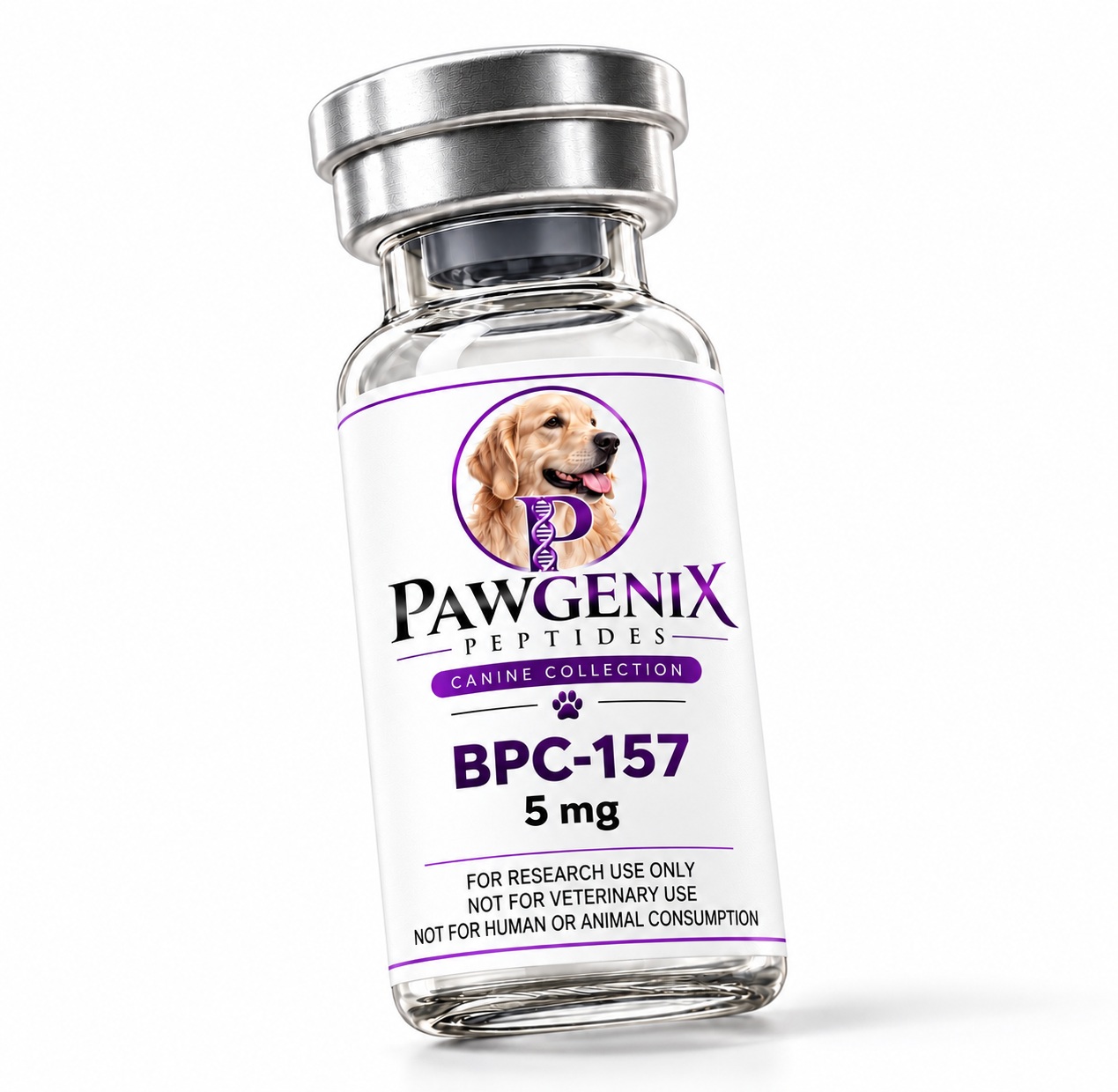
Single peptideBPC-157 5 mg per vial Canine collection

Canine collection

BPC-157

5 mg per vial

Tissue & cell research

BPC-157 is an experimental 15-amino-acid peptide whose sequence is described as part of a body protection compound identified in human gastric juice.

Functions & experimental uses

Functions studied: Researchers study how tendon cells move, survive stress, and organize during tissue outgrowth. Its biological mechanisms remain under investigation.

Experimental uses: Tendon and soft-tissue repair models, plus pharmacokinetic research on absorption, breakdown, distribution, and elimination.

Animal research: Tendon research includes rat tissue and cells. A separate 2022 study used rats and beagle dogs to examine pharmacokinetics. The dog study measured how the compound moves through the body, rather than recovery from a clinical injury.

Definition & research focus
$45.00Per vial · USD
Sign in to add to cart
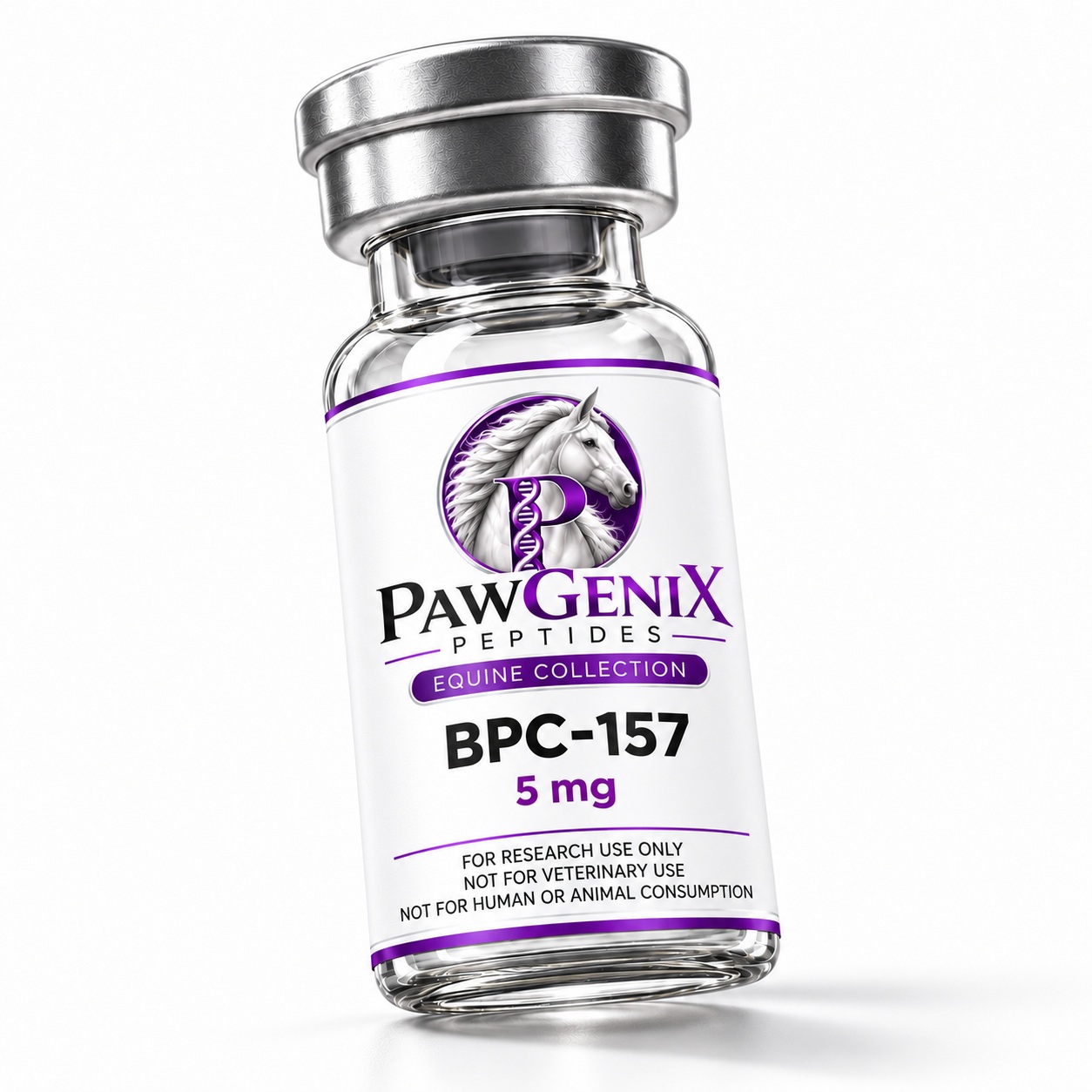
Single peptideBPC-157 5 mg per vial Equine collection

Equine collection

BPC-157

5 mg per vial

Tissue & cell research

BPC-157 is an experimental 15-amino-acid peptide whose sequence is described as part of a body protection compound identified in human gastric juice.

Functions & experimental uses

Functions studied: Researchers study how tendon cells move, survive stress, and organize during tissue outgrowth. Its biological mechanisms remain under investigation.

Experimental uses: Tendon and soft-tissue repair models, plus pharmacokinetic research on absorption, breakdown, distribution, and elimination.

Animal research: Tendon research includes rat tissue and cells. A separate 2022 study used rats and beagle dogs to examine pharmacokinetics. The dog study measured how the compound moves through the body, rather than recovery from a clinical injury.

Definition & research focus
$45.00Per vial · USD
Sign in to add to cart
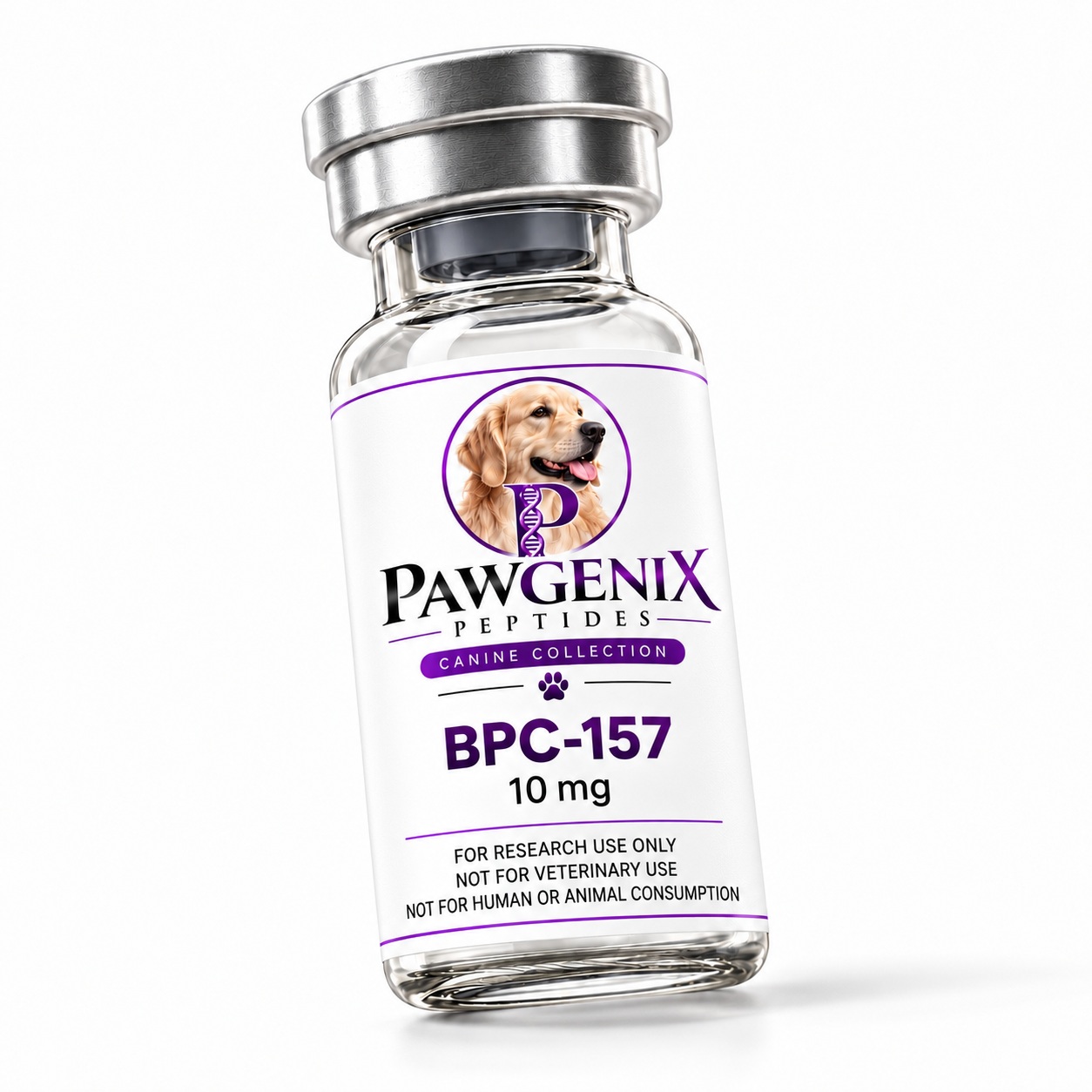
Single peptideBPC-157 10 mg per vial Canine collection

Canine collection

BPC-157

10 mg per vial

Tissue & cell research

BPC-157 is an experimental 15-amino-acid peptide whose sequence is described as part of a body protection compound identified in human gastric juice.

Functions & experimental uses

Functions studied: Researchers study how tendon cells move, survive stress, and organize during tissue outgrowth. Its biological mechanisms remain under investigation.

Experimental uses: Tendon and soft-tissue repair models, plus pharmacokinetic research on absorption, breakdown, distribution, and elimination.

Animal research: Tendon research includes rat tissue and cells. A separate 2022 study used rats and beagle dogs to examine pharmacokinetics. The dog study measured how the compound moves through the body, rather than recovery from a clinical injury.

Definition & research focus
$55.00Per vial · USD
Sign in to add to cart
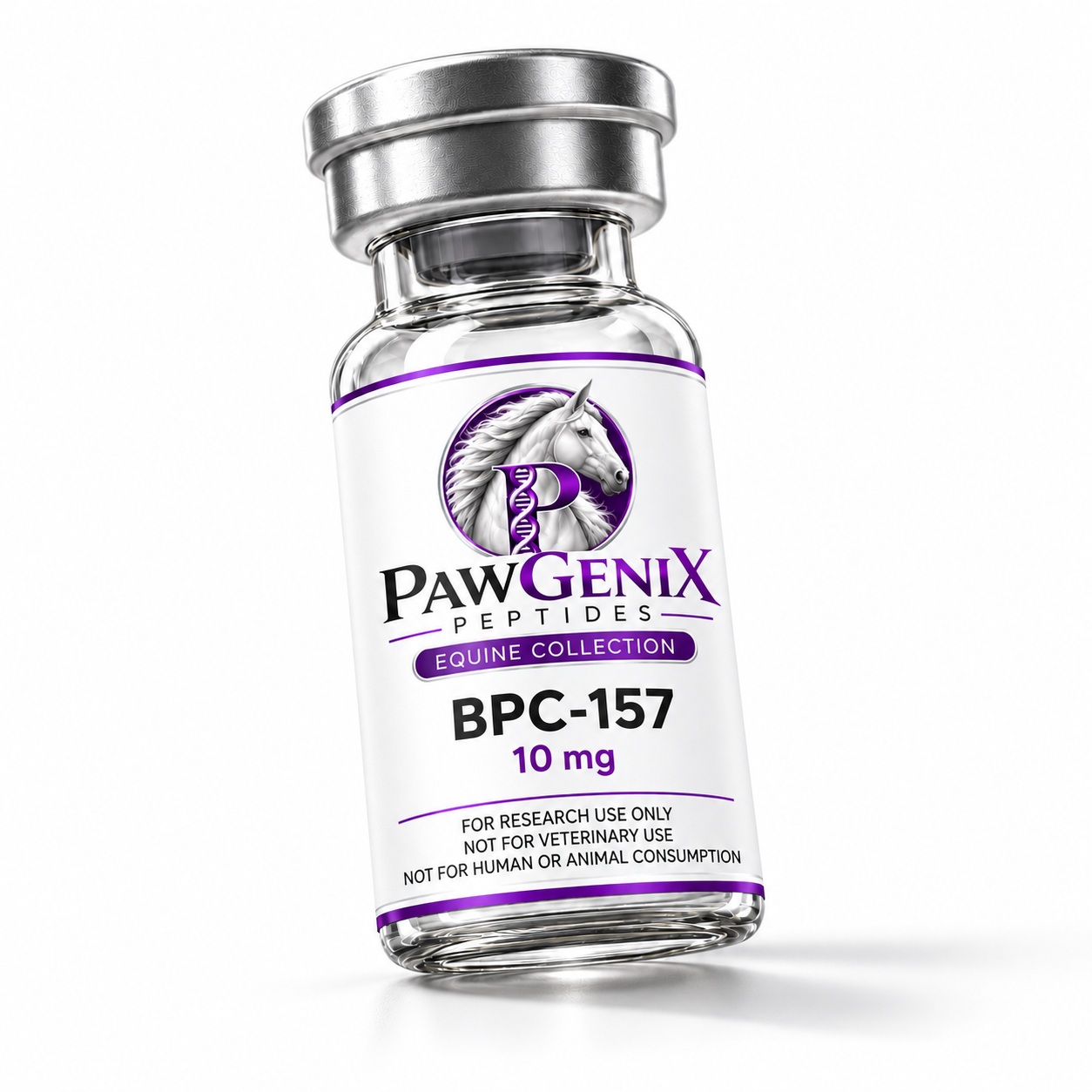
Single peptideBPC-157 10 mg per vial Equine collection

Equine collection

BPC-157

10 mg per vial

Tissue & cell research

BPC-157 is an experimental 15-amino-acid peptide whose sequence is described as part of a body protection compound identified in human gastric juice.

Functions & experimental uses

Functions studied: Researchers study how tendon cells move, survive stress, and organize during tissue outgrowth. Its biological mechanisms remain under investigation.

Experimental uses: Tendon and soft-tissue repair models, plus pharmacokinetic research on absorption, breakdown, distribution, and elimination.

Animal research: Tendon research includes rat tissue and cells. A separate 2022 study used rats and beagle dogs to examine pharmacokinetics. The dog study measured how the compound moves through the body, rather than recovery from a clinical injury.

Definition & research focus
$55.00Per vial · USD
Sign in to add to cart
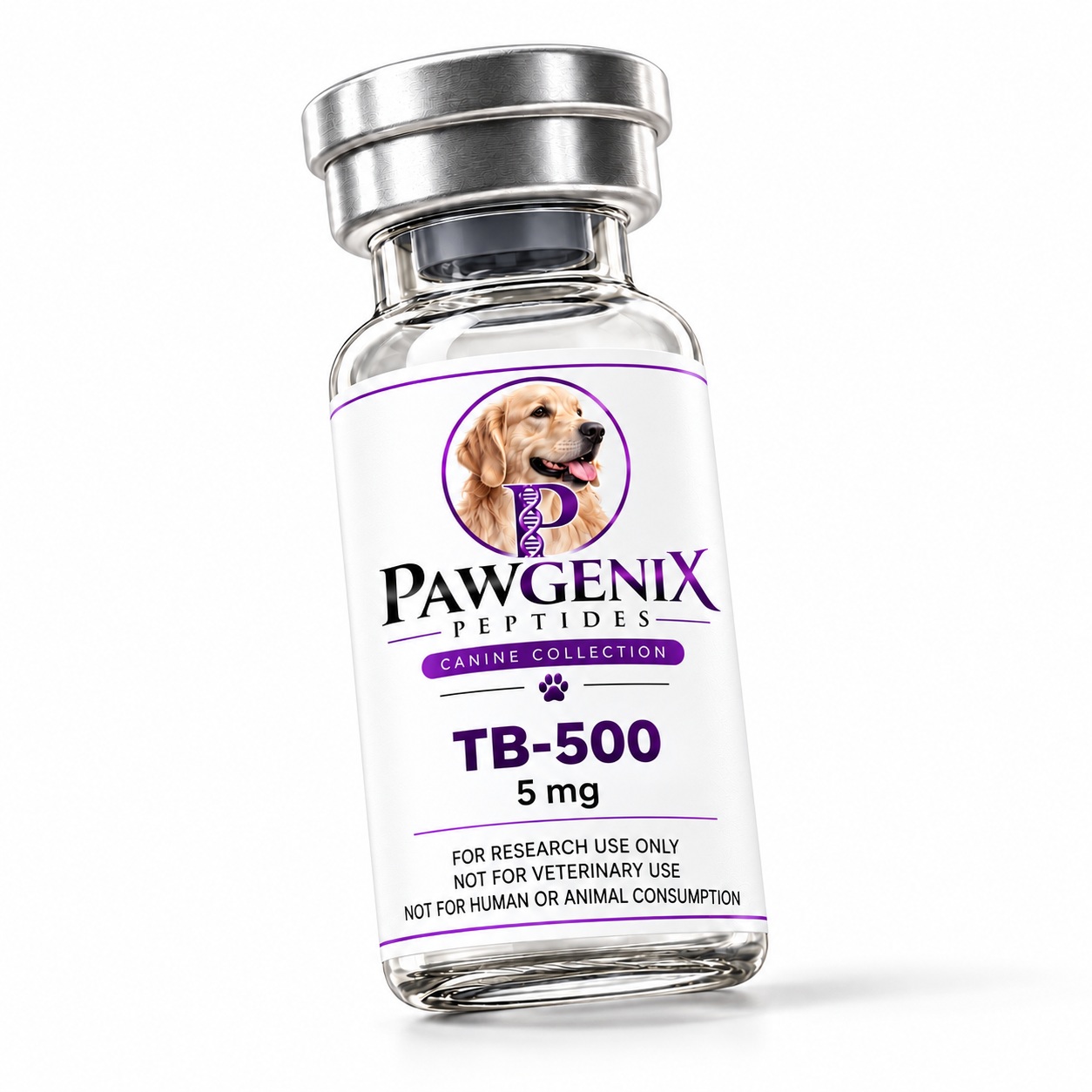
Single peptideTB-500 5 mg per vial Canine collection

Canine collection

TB-500

5 mg per vial

Tissue & cell research

TB-500 is a research label associated with thymosin beta-4-related peptides. An equine analytical study identified an acetylated seven-amino-acid fragment, rather than full-length thymosin beta-4.

Functions & experimental uses

Functions studied: The fragment described in the equine study corresponds to an actin-related region of thymosin beta-4. Actin is a protein involved in cell structure and movement. Full-length thymosin beta-4 and its fragments are different molecules.

Experimental uses: Analytical identification, metabolite detection, and investigation of thymosin-related cell biology. Exact sequence is essential when comparing papers.

Animal research: A horse study identified an acetylated seven-amino-acid fragment and its breakdown products in urine and plasma. It developed a detection method; it did not demonstrate injury recovery, joint benefits, or improved performance.

Definition & research focus
$60.00Per vial · USD
Sign in to add to cart
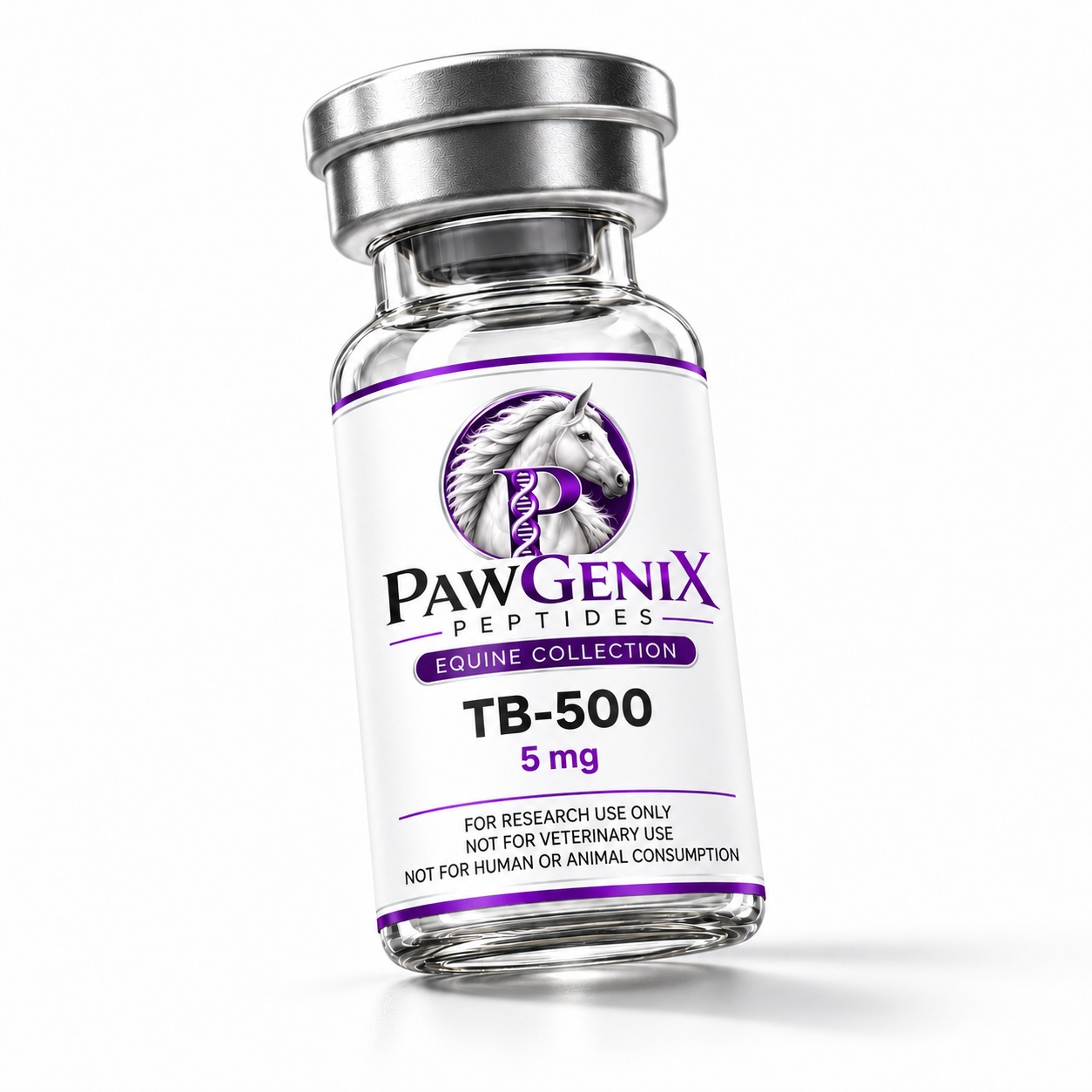
Single peptideTB-500 5 mg per vial Equine collection

Equine collection

TB-500

5 mg per vial

Tissue & cell research

TB-500 is a research label associated with thymosin beta-4-related peptides. An equine analytical study identified an acetylated seven-amino-acid fragment, rather than full-length thymosin beta-4.

Functions & experimental uses

Functions studied: The fragment described in the equine study corresponds to an actin-related region of thymosin beta-4. Actin is a protein involved in cell structure and movement. Full-length thymosin beta-4 and its fragments are different molecules.

Experimental uses: Analytical identification, metabolite detection, and investigation of thymosin-related cell biology. Exact sequence is essential when comparing papers.

Animal research: A horse study identified an acetylated seven-amino-acid fragment and its breakdown products in urine and plasma. It developed a detection method; it did not demonstrate injury recovery, joint benefits, or improved performance.

Definition & research focus
$60.00Per vial · USD
Sign in to add to cart
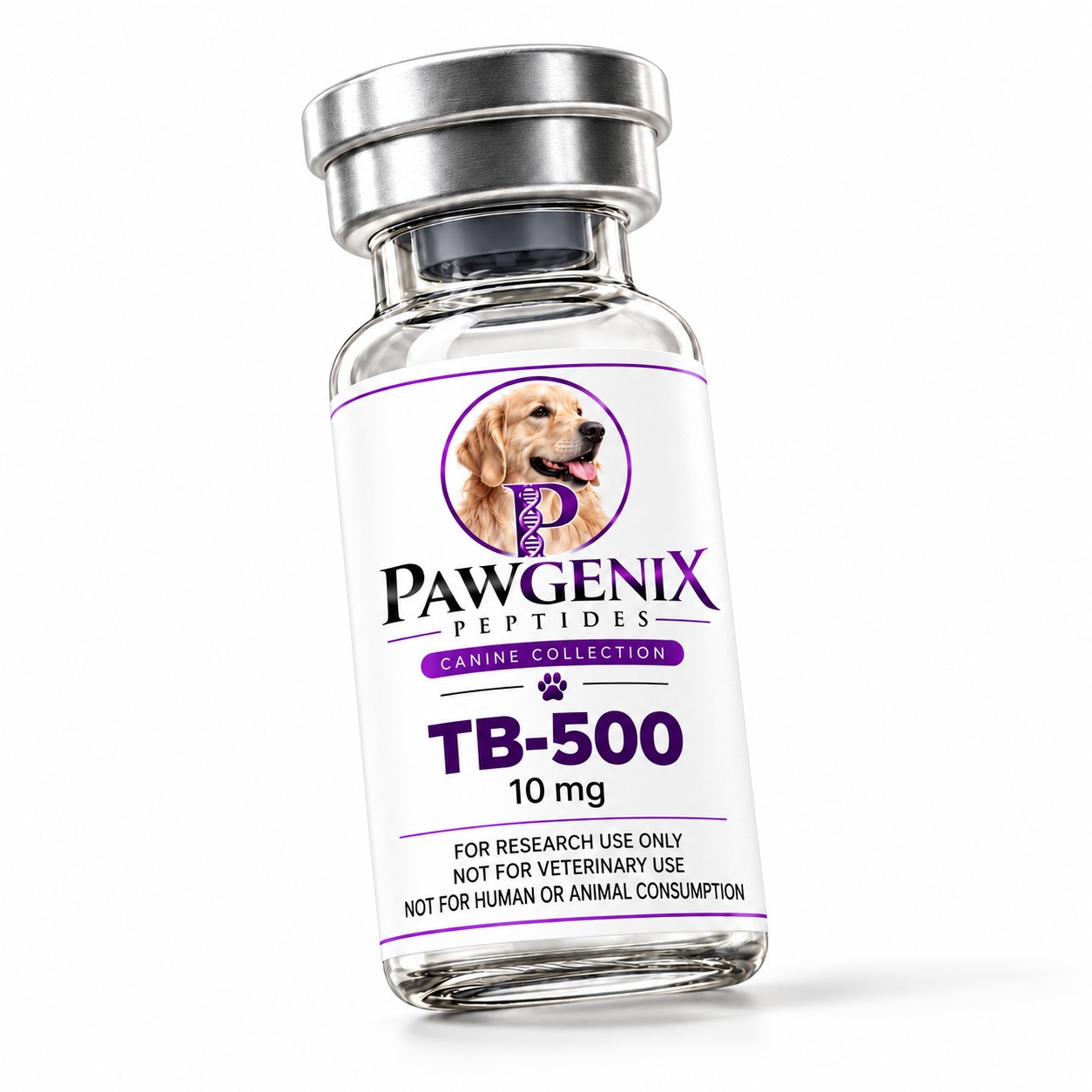
Single peptideTB-500 10 mg per vial Canine collection

Canine collection

TB-500

10 mg per vial

Tissue & cell research

TB-500 is a research label associated with thymosin beta-4-related peptides. An equine analytical study identified an acetylated seven-amino-acid fragment, rather than full-length thymosin beta-4.

Functions & experimental uses

Functions studied: The fragment described in the equine study corresponds to an actin-related region of thymosin beta-4. Actin is a protein involved in cell structure and movement. Full-length thymosin beta-4 and its fragments are different molecules.

Experimental uses: Analytical identification, metabolite detection, and investigation of thymosin-related cell biology. Exact sequence is essential when comparing papers.

Animal research: A horse study identified an acetylated seven-amino-acid fragment and its breakdown products in urine and plasma. It developed a detection method; it did not demonstrate injury recovery, joint benefits, or improved performance.

Definition & research focus
$70.00Per vial · USD
Sign in to add to cart
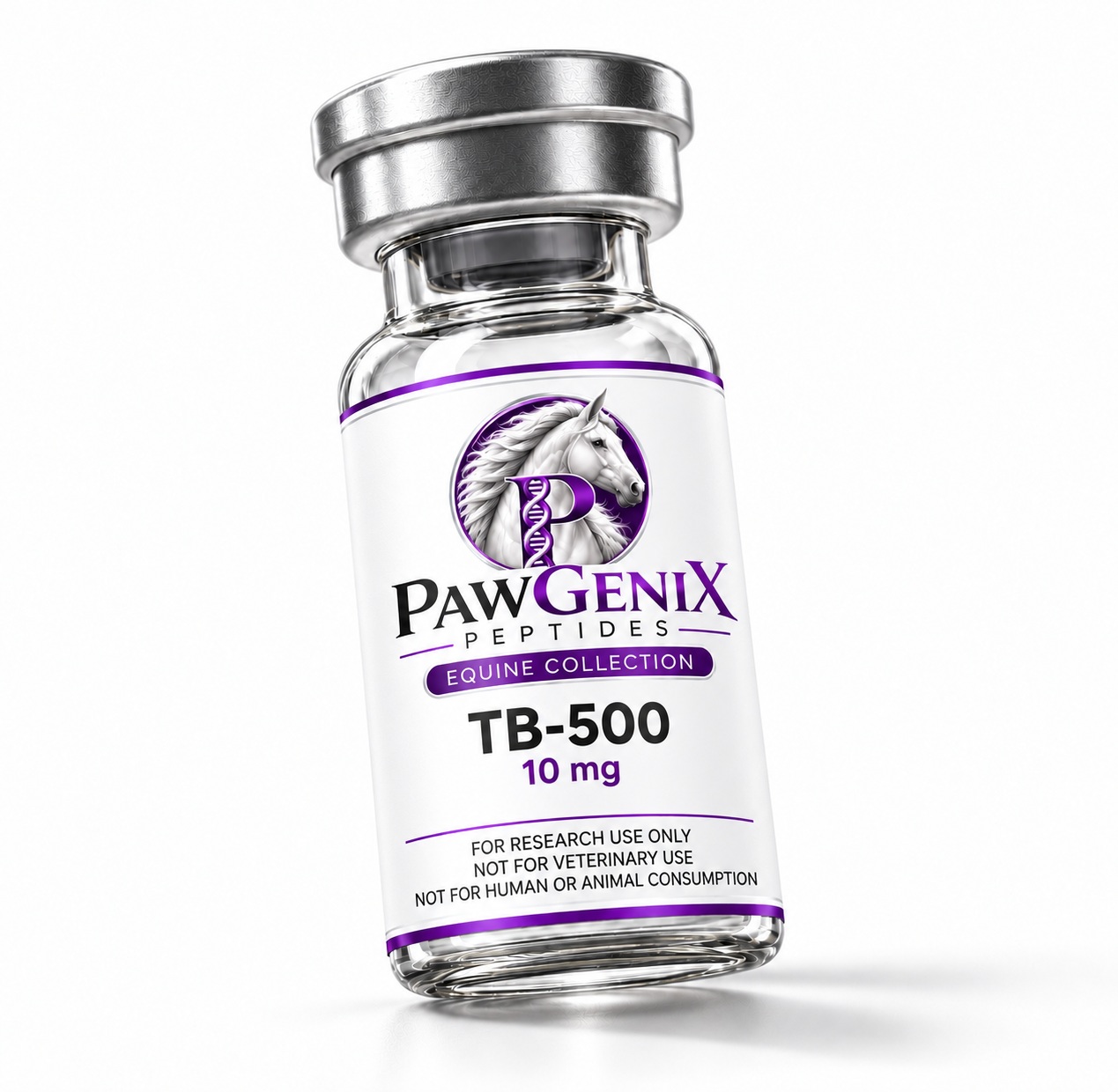
Single peptideTB-500 10 mg per vial Equine collection

Equine collection

TB-500

10 mg per vial

Tissue & cell research

TB-500 is a research label associated with thymosin beta-4-related peptides. An equine analytical study identified an acetylated seven-amino-acid fragment, rather than full-length thymosin beta-4.

Functions & experimental uses

Functions studied: The fragment described in the equine study corresponds to an actin-related region of thymosin beta-4. Actin is a protein involved in cell structure and movement. Full-length thymosin beta-4 and its fragments are different molecules.

Experimental uses: Analytical identification, metabolite detection, and investigation of thymosin-related cell biology. Exact sequence is essential when comparing papers.

Animal research: A horse study identified an acetylated seven-amino-acid fragment and its breakdown products in urine and plasma. It developed a detection method; it did not demonstrate injury recovery, joint benefits, or improved performance.

Definition & research focus
$70.00Per vial · USD
Sign in to add to cart
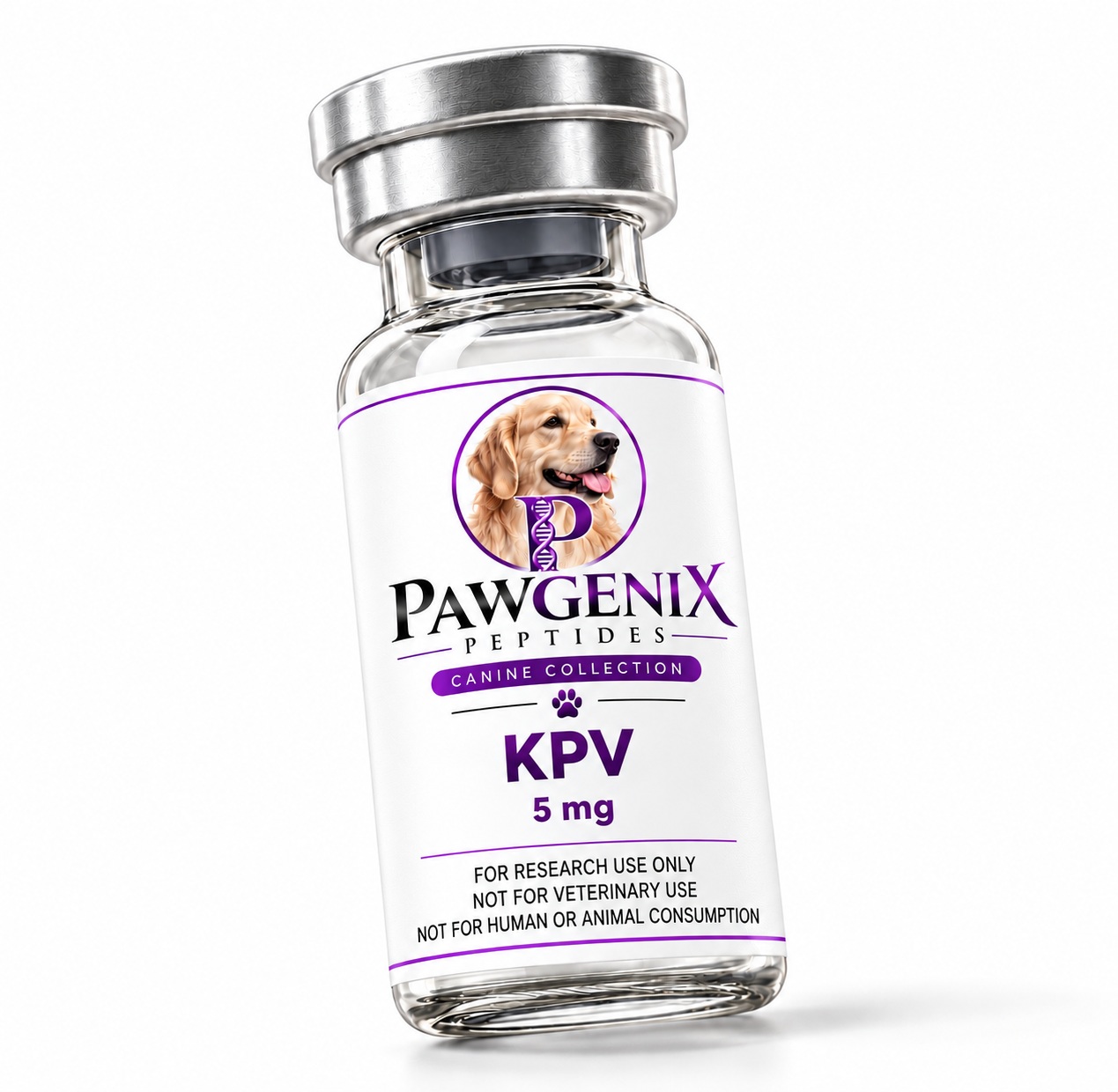
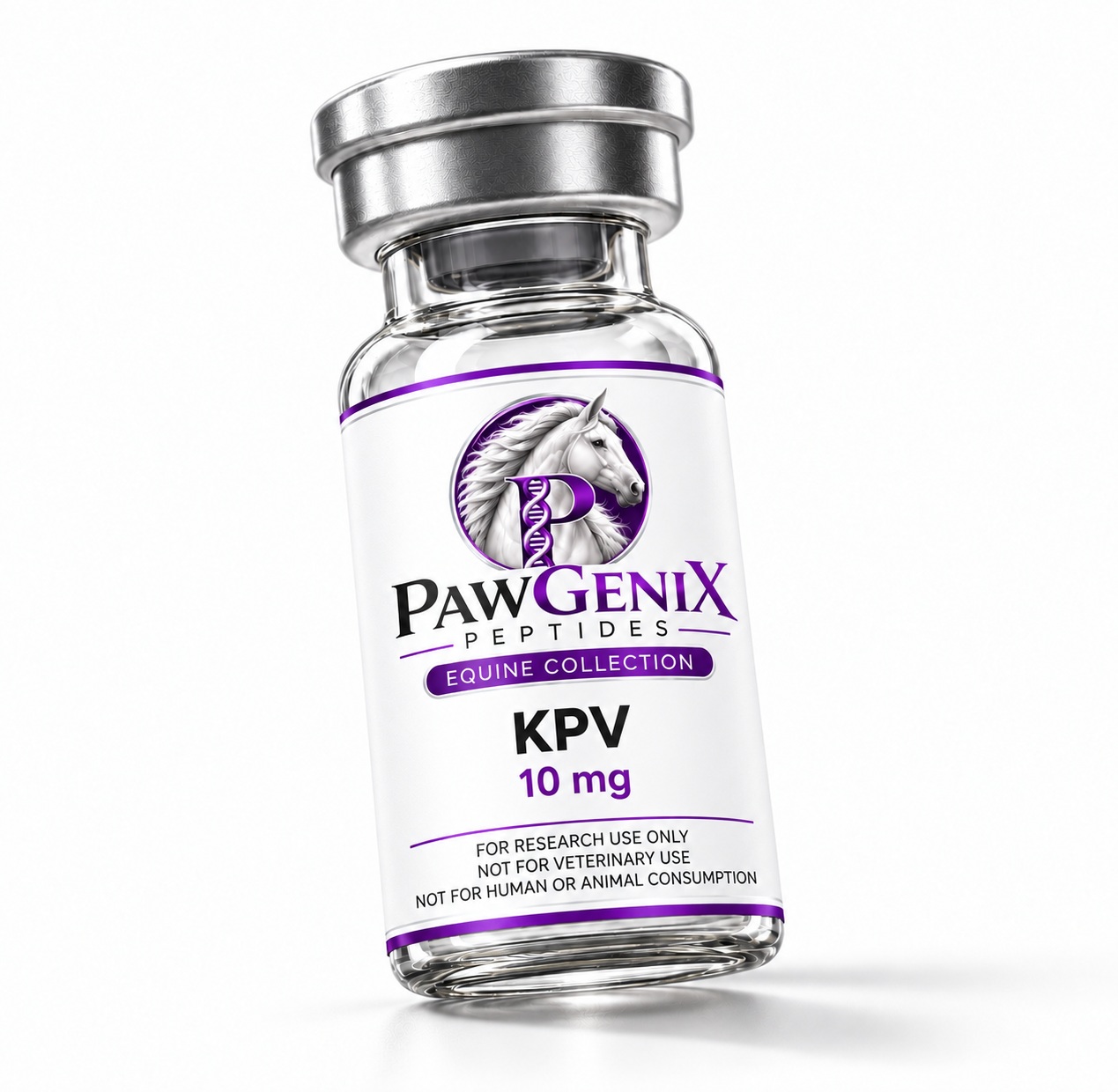
Single peptideKPV 5 mg per vial Canine collection

Canine collection

KPV

5 mg per vial

Gut & inflammatory signaling

KPV is a three-amino-acid peptide: lysine, proline, and valine. It corresponds to the final three amino acids of alpha-melanocyte-stimulating hormone (alpha-MSH).

Functions & experimental uses

Functions studied: A cell study found uptake through the peptide transporter PepT1 and reduced activation of NF-kappaB and MAPK, pathways involved in inflammatory signaling.

Experimental uses: Experimental intestinal inflammation, epithelial-cell responses, and immune-cell signaling research.

Animal research: Original studies examined mouse colitis models alongside laboratory cell experiments. Researchers measured inflammatory signaling, tissue changes, and cytokines. These findings are not established digestive-health uses for dogs or horses.

Definition & research focus
$55.00Per vial · USD
Sign in to add to cart
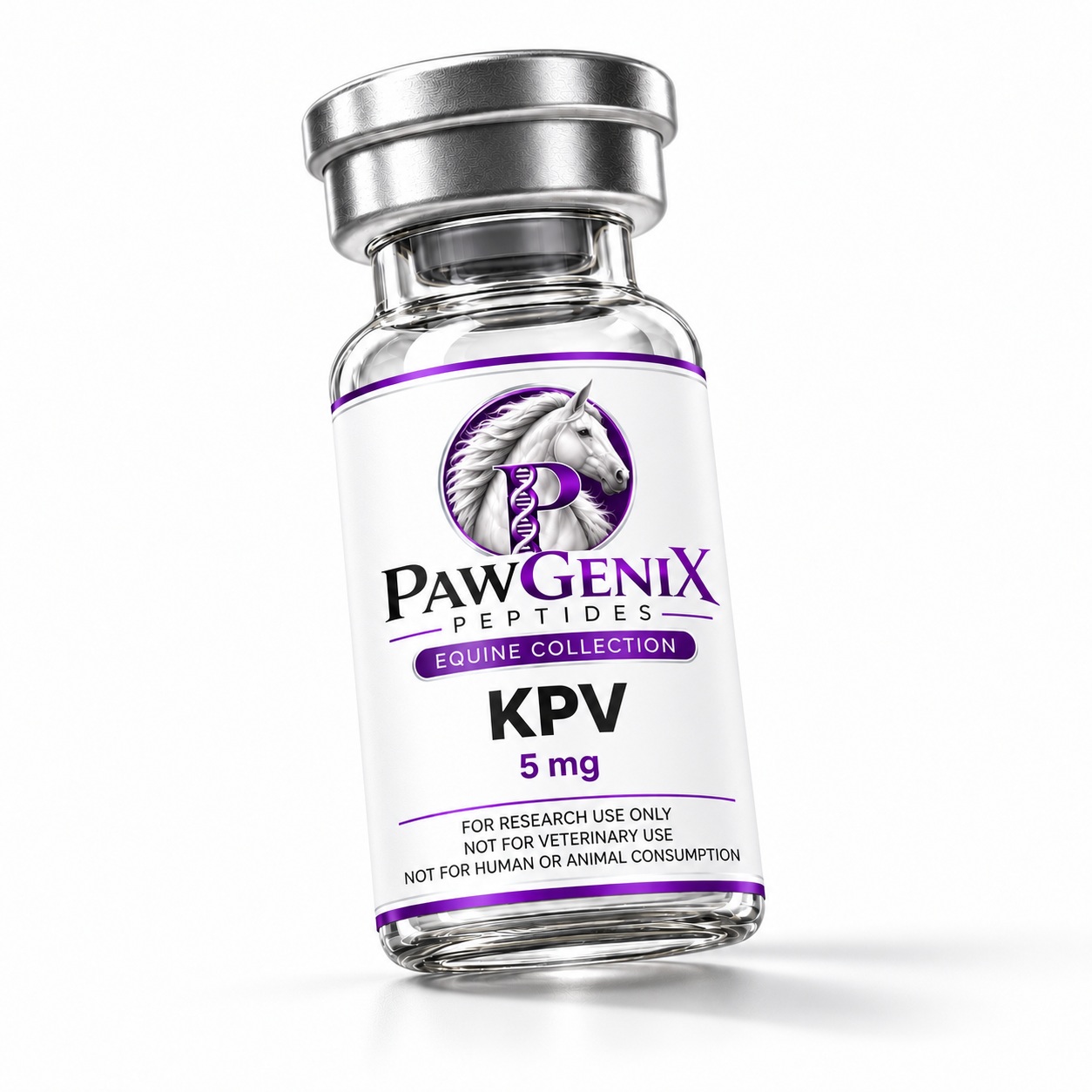
Single peptideKPV 5 mg per vial Equine collection

Equine collection

KPV

5 mg per vial

Gut & inflammatory signaling

KPV is a three-amino-acid peptide: lysine, proline, and valine. It corresponds to the final three amino acids of alpha-melanocyte-stimulating hormone (alpha-MSH).

Functions & experimental uses

Functions studied: A cell study found uptake through the peptide transporter PepT1 and reduced activation of NF-kappaB and MAPK, pathways involved in inflammatory signaling.

Experimental uses: Experimental intestinal inflammation, epithelial-cell responses, and immune-cell signaling research.

Animal research: Original studies examined mouse colitis models alongside laboratory cell experiments. Researchers measured inflammatory signaling, tissue changes, and cytokines. These findings are not established digestive-health uses for dogs or horses.

Definition & research focus
$55.00Per vial · USD
Sign in to add to cart
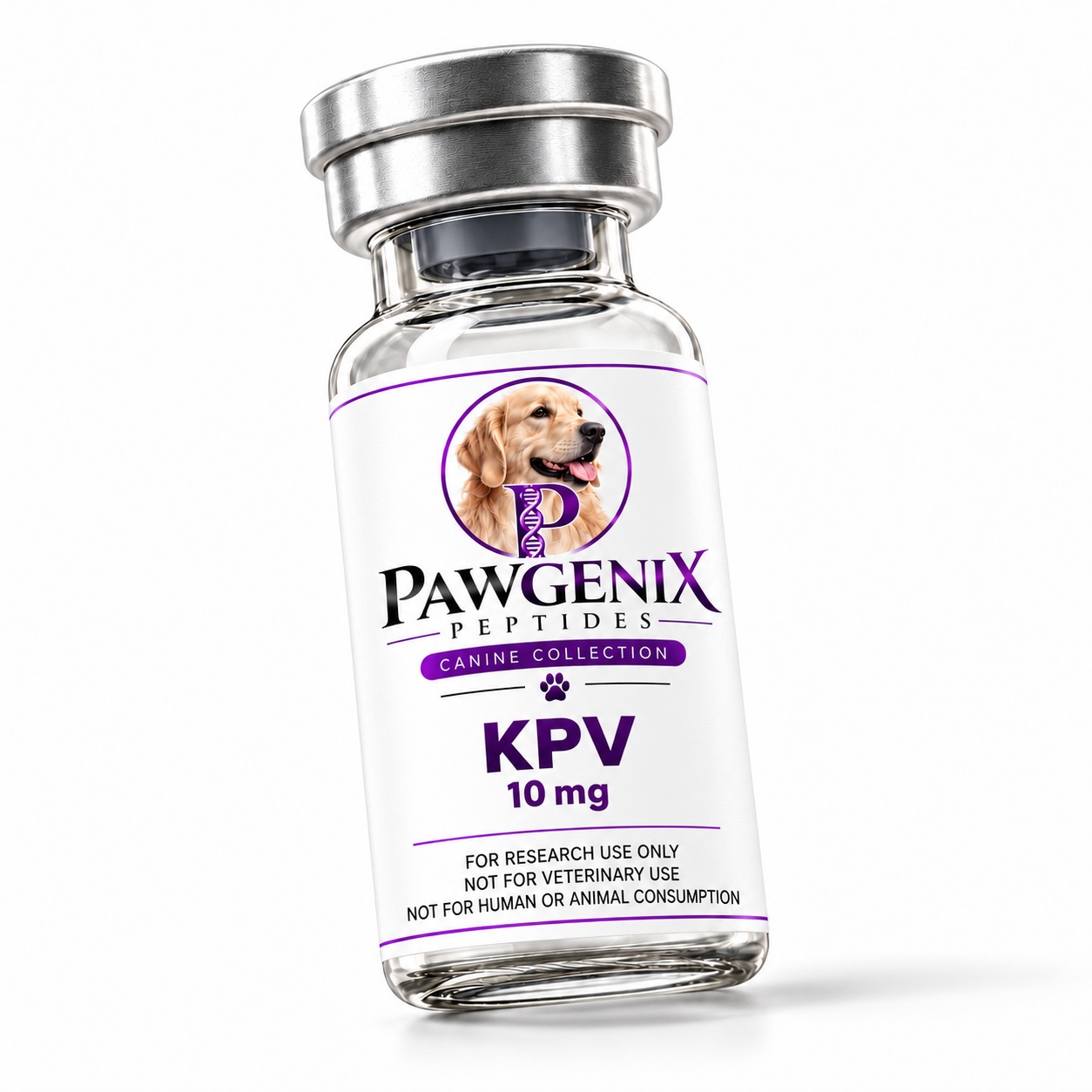
Single peptideKPV 10 mg per vial Canine collection

Canine collection

KPV

10 mg per vial

Gut & inflammatory signaling

KPV is a three-amino-acid peptide: lysine, proline, and valine. It corresponds to the final three amino acids of alpha-melanocyte-stimulating hormone (alpha-MSH).

Functions & experimental uses

Functions studied: A cell study found uptake through the peptide transporter PepT1 and reduced activation of NF-kappaB and MAPK, pathways involved in inflammatory signaling.

Experimental uses: Experimental intestinal inflammation, epithelial-cell responses, and immune-cell signaling research.

Animal research: Original studies examined mouse colitis models alongside laboratory cell experiments. Researchers measured inflammatory signaling, tissue changes, and cytokines. These findings are not established digestive-health uses for dogs or horses.

Definition & research focus
$65.00Per vial · USD
Sign in to add to cart
Single peptideKPV 10 mg per vial Equine collection

Equine collection

KPV

10 mg per vial

Gut & inflammatory signaling

KPV is a three-amino-acid peptide: lysine, proline, and valine. It corresponds to the final three amino acids of alpha-melanocyte-stimulating hormone (alpha-MSH).

Functions & experimental uses

Functions studied: A cell study found uptake through the peptide transporter PepT1 and reduced activation of NF-kappaB and MAPK, pathways involved in inflammatory signaling.

Experimental uses: Experimental intestinal inflammation, epithelial-cell responses, and immune-cell signaling research.

Animal research: Original studies examined mouse colitis models alongside laboratory cell experiments. Researchers measured inflammatory signaling, tissue changes, and cytokines. These findings are not established digestive-health uses for dogs or horses.

Definition & research focus
$65.00Per vial · USD
Sign in to add to cart
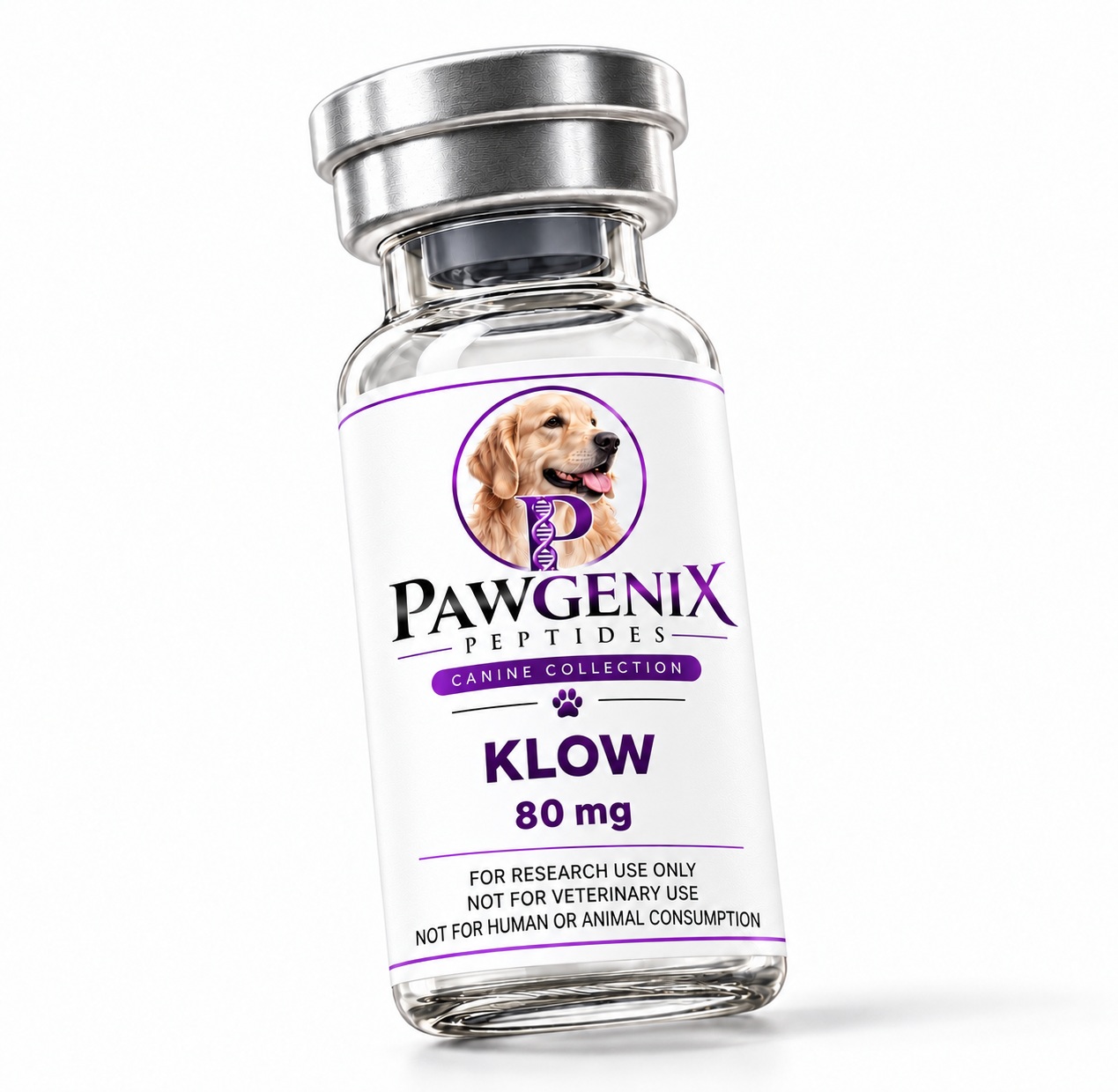
Peptide formulationKLOW 80 mg per vial Canine collection

Canine collection

KLOW

80 mg per vial

Blends & formulation research

KLOW is a four-peptide formulation. The Pawgenix USA 80 mg edition combines BPC-157 10 mg, TB-500 10 mg, GHK-Cu 50 mg, and KPV 10 mg.

Functions & experimental uses

Functions studied: Its four ingredients connect to research on tendon-cell behavior, thymosin-related peptide identity, skin remodeling, and intestinal inflammatory pathways.

Experimental uses: Multi-ingredient formulation research using the stated BPC-157 10 mg, TB-500 10 mg, GHK-Cu 50 mg, and KPV 10 mg composition. No synergistic effect is assumed.

Animal research: The linked studies use different models and individual ingredients. They do not test the combined 80 mg KLOW formulation or establish its effects in dogs or horses.

Definition & research focus
$70.00Per vial · USD
Sign in to add to cart
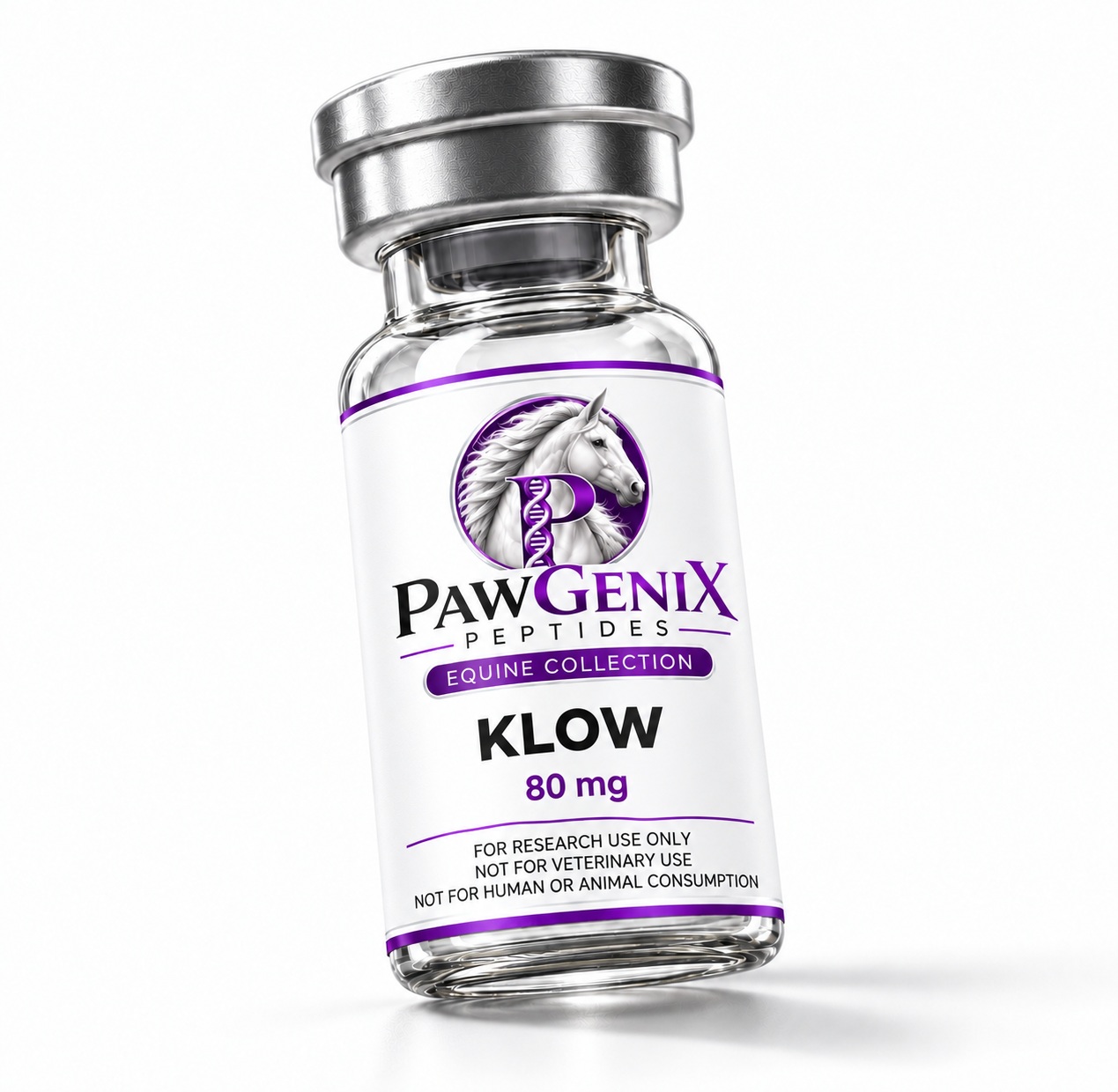
Peptide formulationKLOW 80 mg per vial Equine collection

Equine collection

KLOW

80 mg per vial

Blends & formulation research

KLOW is a four-peptide formulation. The Pawgenix USA 80 mg edition combines BPC-157 10 mg, TB-500 10 mg, GHK-Cu 50 mg, and KPV 10 mg.

Functions & experimental uses

Functions studied: Its four ingredients connect to research on tendon-cell behavior, thymosin-related peptide identity, skin remodeling, and intestinal inflammatory pathways.

Experimental uses: Multi-ingredient formulation research using the stated BPC-157 10 mg, TB-500 10 mg, GHK-Cu 50 mg, and KPV 10 mg composition. No synergistic effect is assumed.

Animal research: The linked studies use different models and individual ingredients. They do not test the combined 80 mg KLOW formulation or establish its effects in dogs or horses.

Definition & research focus
$70.00Per vial · USD
Sign in to add to cart
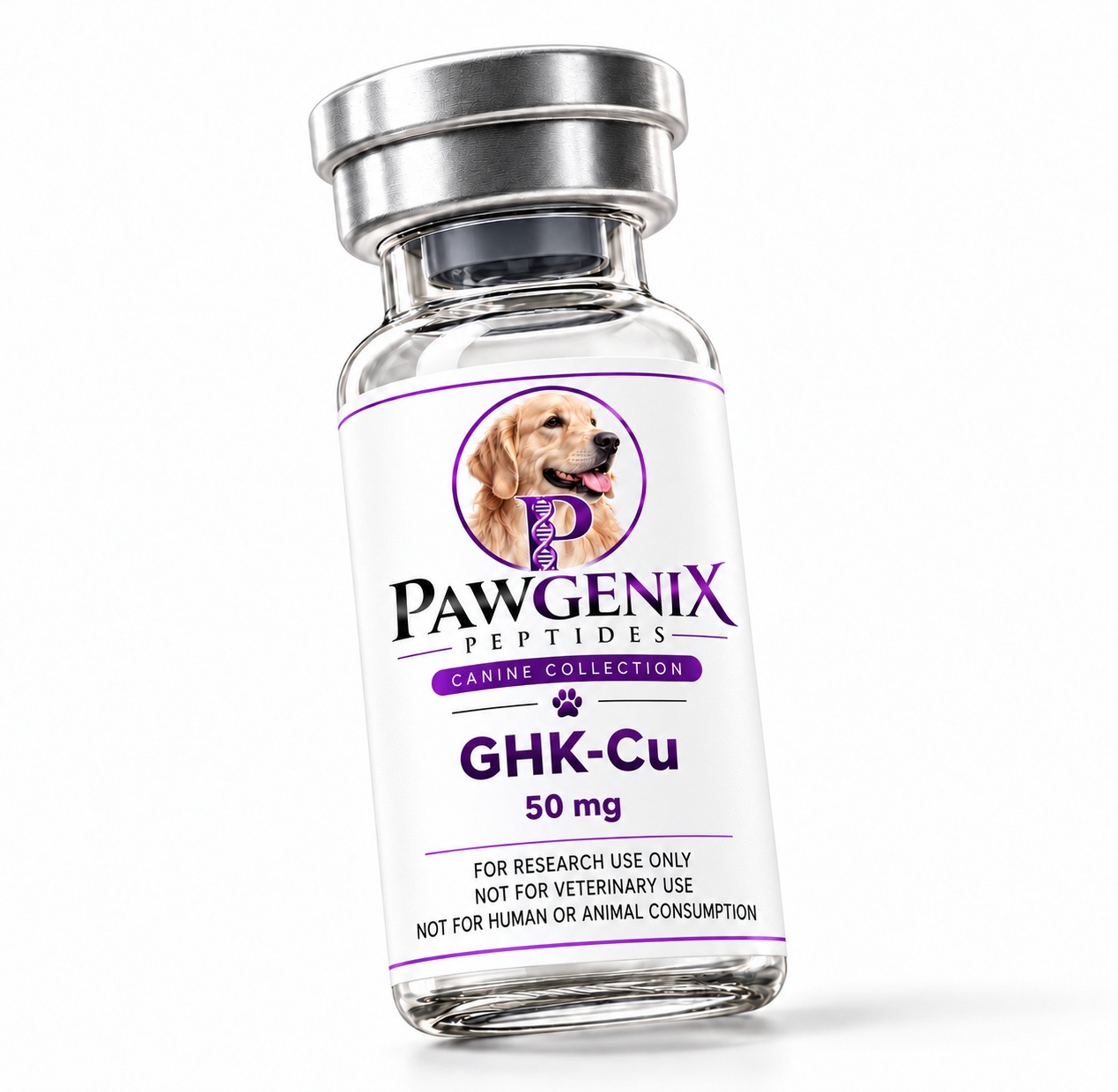
Copper peptideGHK-Cu 50 mg per vial Canine collection

Canine collection

GHK-Cu

50 mg per vial

Skin & wound biology

GHK-Cu is the copper-bound form of a three-amino-acid peptide made from glycine, histidine, and lysine.

Functions & experimental uses

Functions studied: Investigated for connective-tissue remodeling, collagen-related measurements, cell proliferation, and blood-vessel formation in experimental wounds.

Experimental uses: Skin and wound models, biomaterial and formulation research, and studies of extracellular matrix—the material surrounding cells.

Animal research: A 12-dog pad-wound experiment studied a copper tripeptide complex and found more type-I collagen at day 14. This is preparation-specific experimental evidence, not proof of Pawgenix product effects. Studies also include rat experimental wounds and a mouse scald model using a liposome formulation. Findings vary: an irradiated-rat study found no difference in several blood-vessel and wound measures. Formulation and model affect the result.

Definition & research focus
$50.00Per vial · USD
Sign in to add to cart
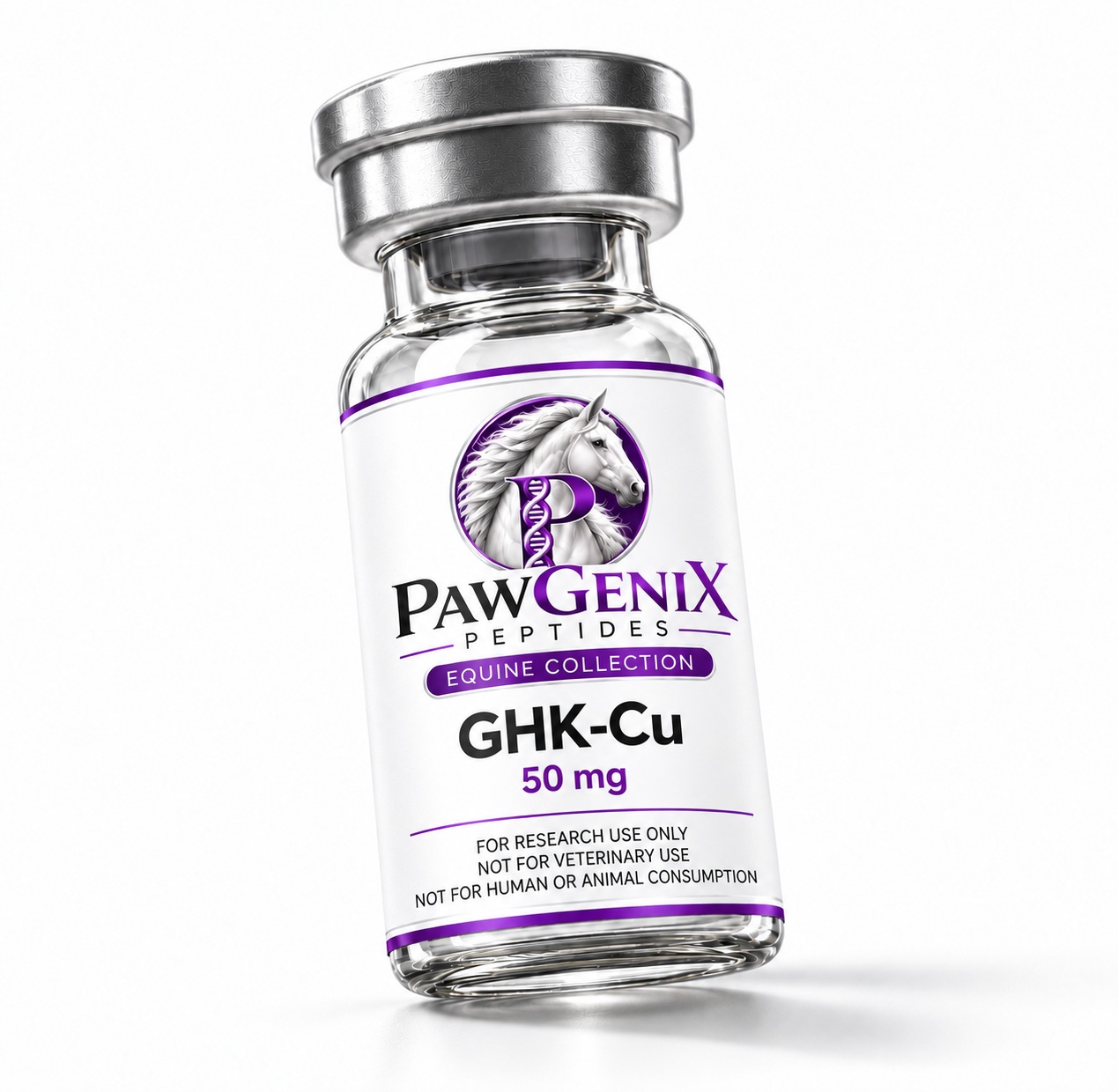
Copper peptideGHK-Cu 50 mg per vial Equine collection

Equine collection

GHK-Cu

50 mg per vial

Skin & wound biology

GHK-Cu is the copper-bound form of a three-amino-acid peptide made from glycine, histidine, and lysine.

Functions & experimental uses

Functions studied: Investigated for connective-tissue remodeling, collagen-related measurements, cell proliferation, and blood-vessel formation in experimental wounds.

Experimental uses: Skin and wound models, biomaterial and formulation research, and studies of extracellular matrix—the material surrounding cells.

Animal research: A 12-dog pad-wound experiment studied a copper tripeptide complex and found more type-I collagen at day 14. This is preparation-specific experimental evidence, not proof of Pawgenix product effects. Studies also include rat experimental wounds and a mouse scald model using a liposome formulation. Findings vary: an irradiated-rat study found no difference in several blood-vessel and wound measures. Formulation and model affect the result.

Definition & research focus
$50.00Per vial · USD
Sign in to add to cart
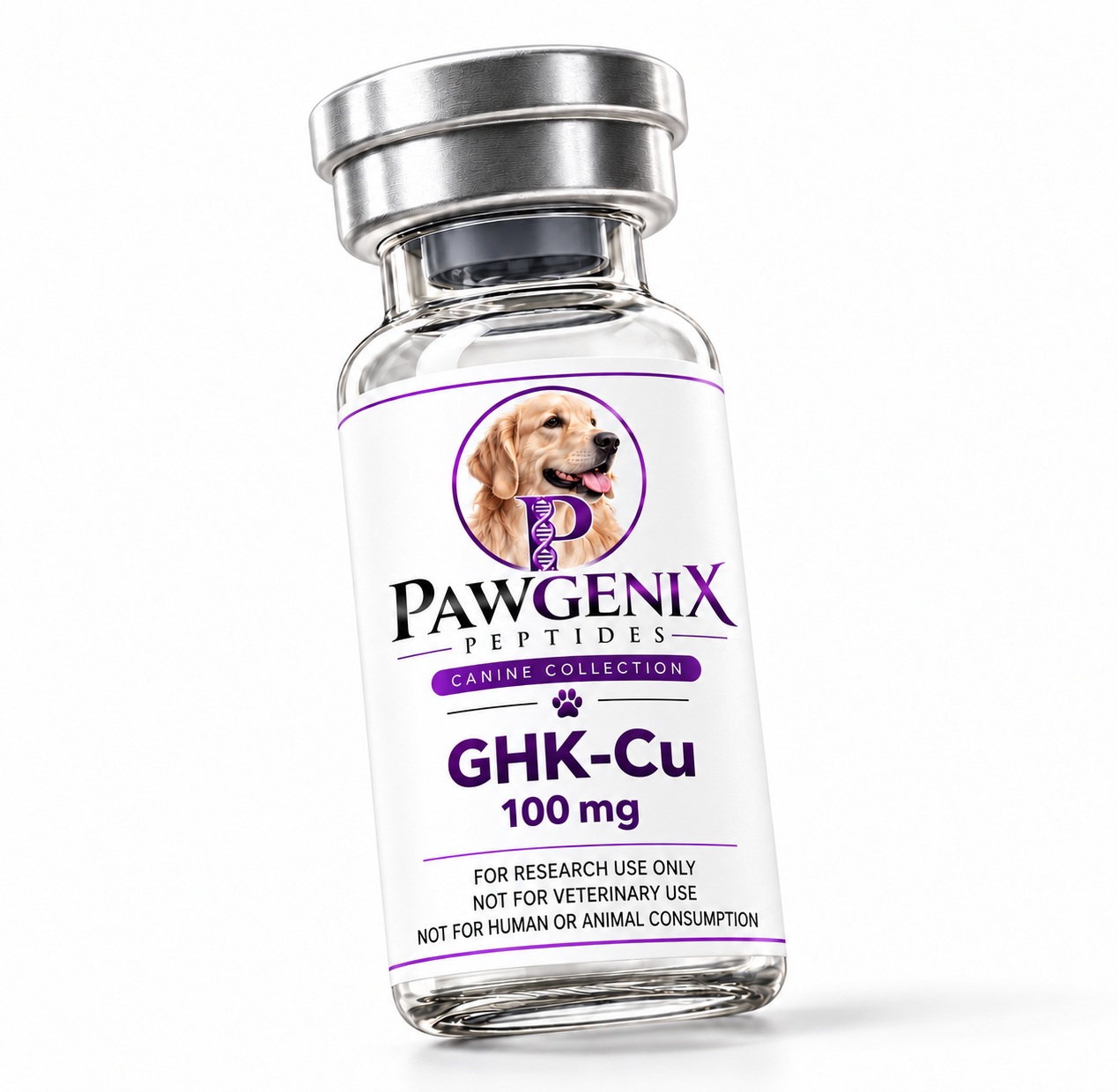
Copper peptideGHK-Cu 100 mg per vial Canine collection

Canine collection

GHK-Cu

100 mg per vial

Skin & wound biology

GHK-Cu is the copper-bound form of a three-amino-acid peptide made from glycine, histidine, and lysine.

Functions & experimental uses

Functions studied: Investigated for connective-tissue remodeling, collagen-related measurements, cell proliferation, and blood-vessel formation in experimental wounds.

Experimental uses: Skin and wound models, biomaterial and formulation research, and studies of extracellular matrix—the material surrounding cells.

Animal research: A 12-dog pad-wound experiment studied a copper tripeptide complex and found more type-I collagen at day 14. This is preparation-specific experimental evidence, not proof of Pawgenix product effects. Studies also include rat experimental wounds and a mouse scald model using a liposome formulation. Findings vary: an irradiated-rat study found no difference in several blood-vessel and wound measures. Formulation and model affect the result.

Definition & research focus
$70.00Per vial · USD
Sign in to add to cart
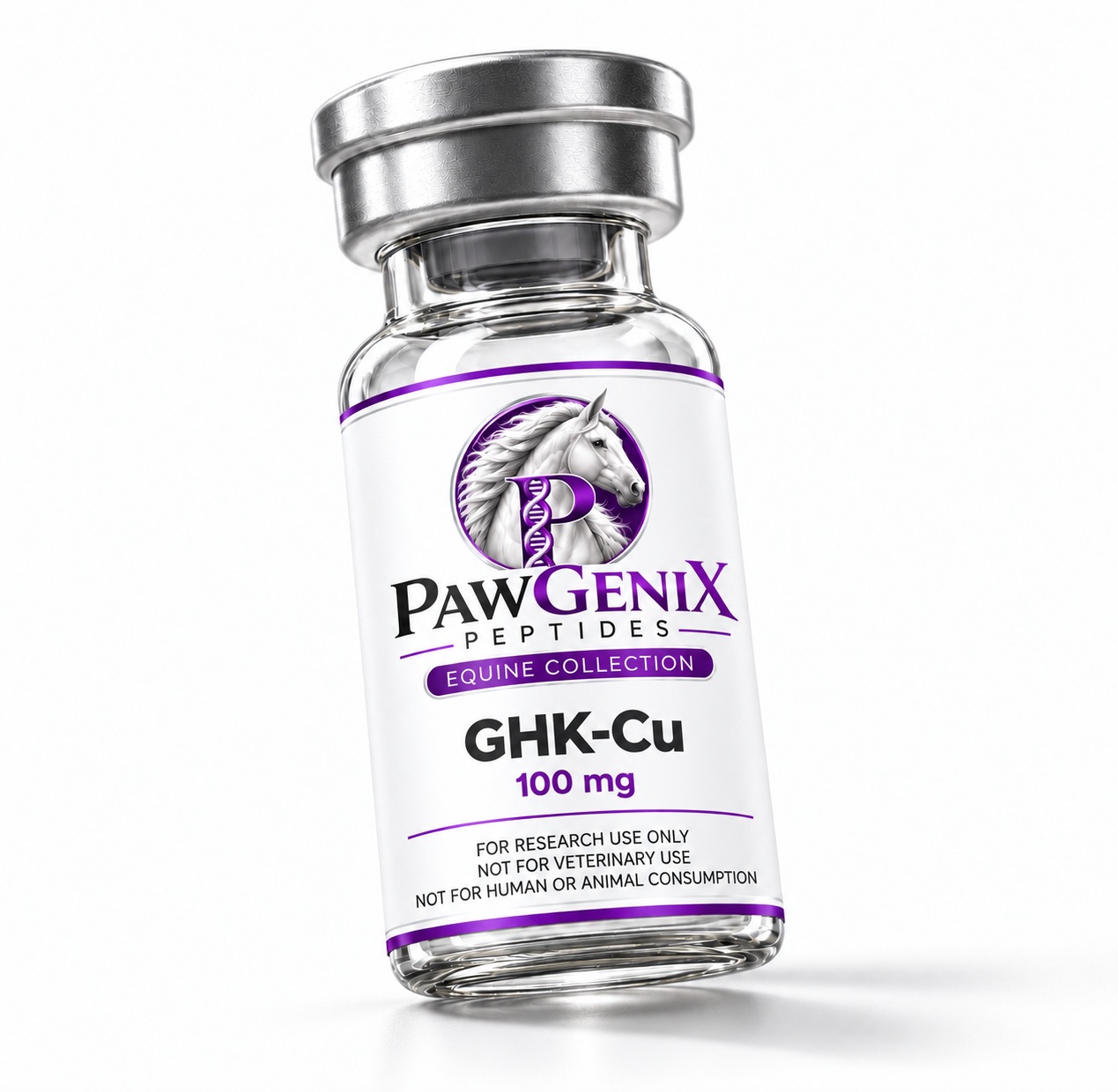
Copper peptideGHK-Cu 100 mg per vial Equine collection

Equine collection

GHK-Cu

100 mg per vial

Skin & wound biology

GHK-Cu is the copper-bound form of a three-amino-acid peptide made from glycine, histidine, and lysine.

Functions & experimental uses

Functions studied: Investigated for connective-tissue remodeling, collagen-related measurements, cell proliferation, and blood-vessel formation in experimental wounds.

Experimental uses: Skin and wound models, biomaterial and formulation research, and studies of extracellular matrix—the material surrounding cells.

Animal research: A 12-dog pad-wound experiment studied a copper tripeptide complex and found more type-I collagen at day 14. This is preparation-specific experimental evidence, not proof of Pawgenix product effects. Studies also include rat experimental wounds and a mouse scald model using a liposome formulation. Findings vary: an irradiated-rat study found no difference in several blood-vessel and wound measures. Formulation and model affect the result.

Definition & research focus
$70.00Per vial · USD
Sign in to add to cart
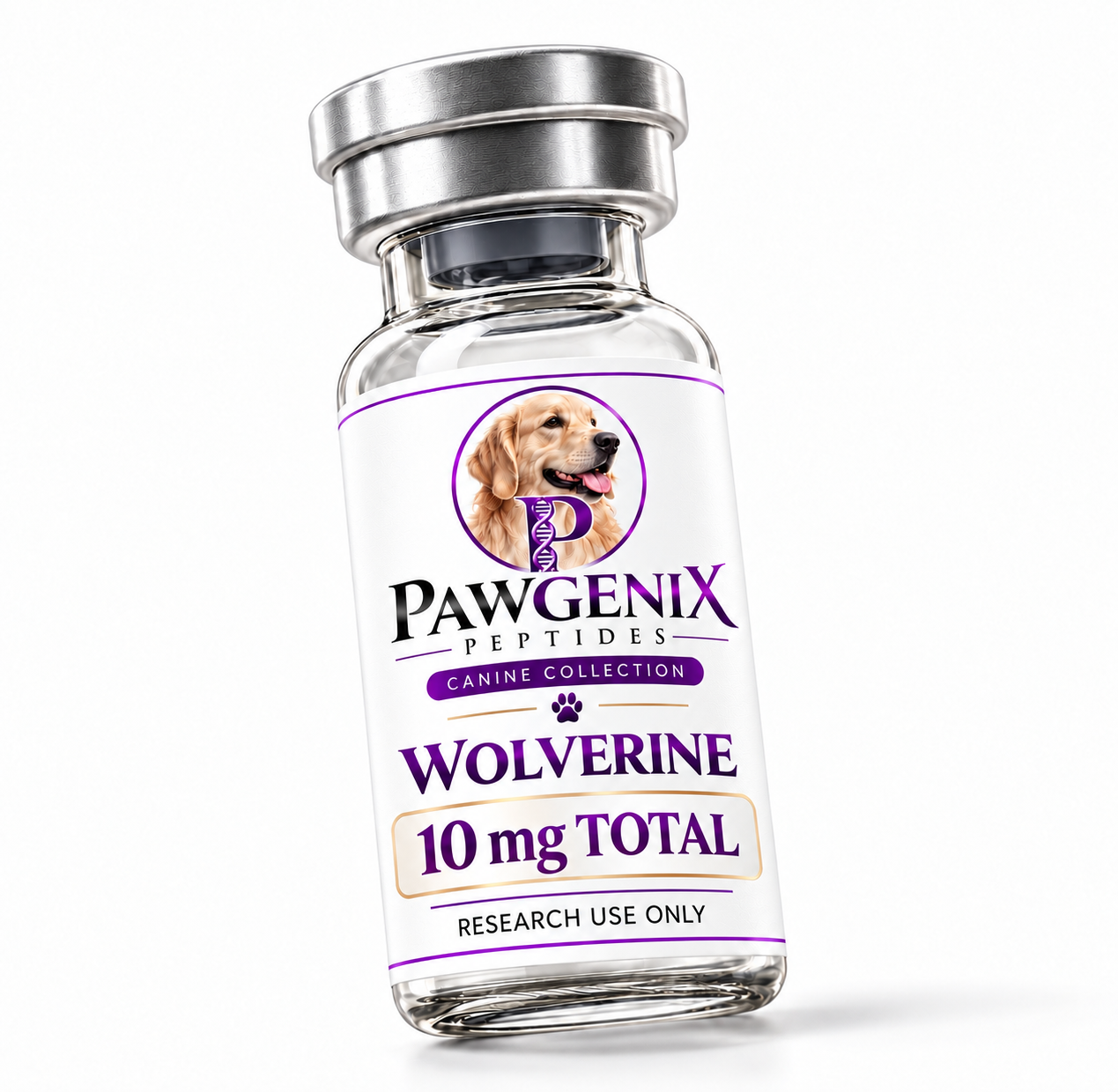
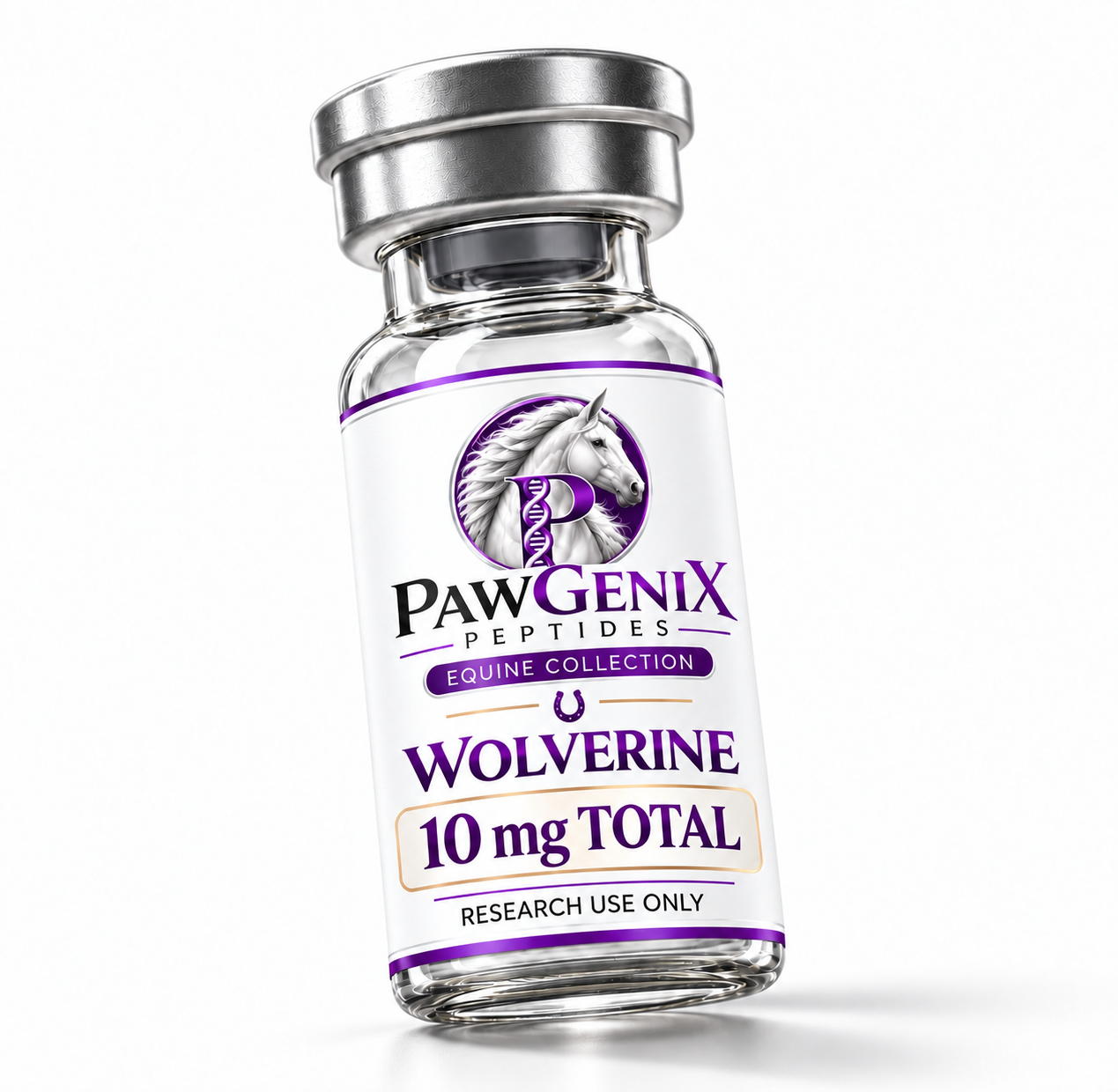
Peptide blendWolverine 10 mg Canine collection vial label mockup

Canine collection

Wolverine

10 mg per vial

Blends & formulation research

Wolverine is a blend name, not a single peptide. The Pawgenix USA 20 mg edition is labeled as BPC-157 10 mg plus TB-500 10 mg.

10 mg component identities and amounts are awaiting confirmation. Label mockup shown.

Functions & experimental uses

Functions studied: Its listed ingredients are studied separately for tendon-cell behavior and thymosin-related biology. Ingredient mechanisms do not establish a combined Wolverine effect.

Experimental uses: Blend composition and formulation research. The 20 mg edition lists BPC-157 10 mg plus TB-500 10 mg; the 10 mg edition’s component amounts are awaiting confirmation.

Animal research: The linked papers concern individual ingredients in rat tissue or equine analytical samples. They are not animal trials of Pawgenix USA Wolverine.

Definition & research focus
$70.00Per vial · USD
Sign in to add to cart
Peptide blendWolverine 10 mg Equine collection vial label mockup

Equine collection

Wolverine

10 mg per vial

Blends & formulation research

Wolverine is a blend name, not a single peptide. The Pawgenix USA 20 mg edition is labeled as BPC-157 10 mg plus TB-500 10 mg.

10 mg component identities and amounts are awaiting confirmation. Label mockup shown.

Functions & experimental uses

Functions studied: Its listed ingredients are studied separately for tendon-cell behavior and thymosin-related biology. Ingredient mechanisms do not establish a combined Wolverine effect.

Experimental uses: Blend composition and formulation research. The 20 mg edition lists BPC-157 10 mg plus TB-500 10 mg; the 10 mg edition’s component amounts are awaiting confirmation.

Animal research: The linked papers concern individual ingredients in rat tissue or equine analytical samples. They are not animal trials of Pawgenix USA Wolverine.

Definition & research focus
$70.00Per vial · USD
Sign in to add to cart
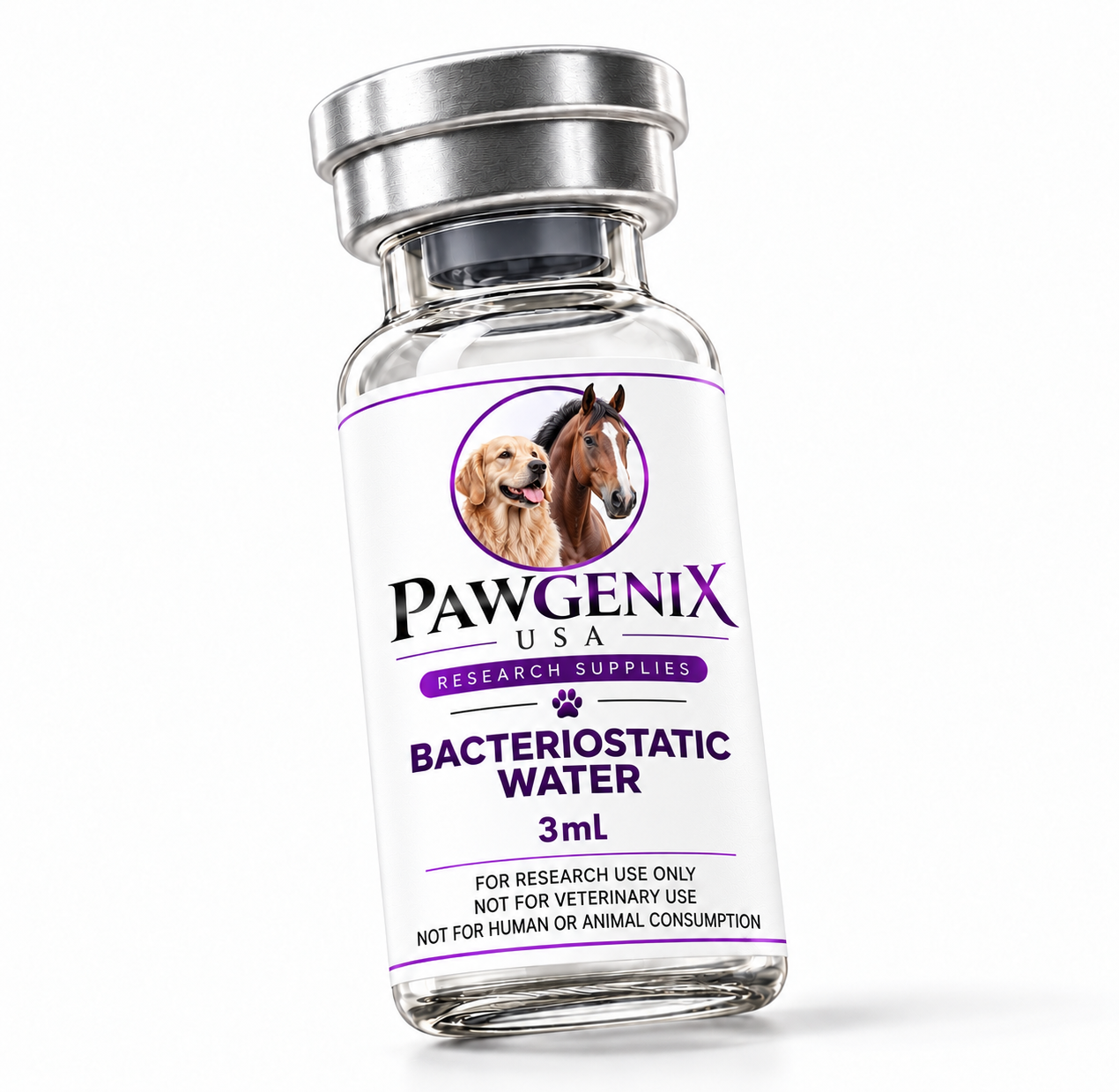
Research supplyBacteriostatic Water 3 mL per vial Research supplies

Research supplies

Bacteriostatic Water

3 mL per vial

Research supplies

Bacteriostatic water is water formulated with a preservative, commonly benzyl alcohol, to inhibit bacterial growth. It is a research supply, not a peptide.

Functions & experimental uses

Functions studied: A preservative inhibits bacterial growth. This function is different from sterilizing a contaminated solution or establishing compatibility with every peptide.

Experimental uses: Laboratory solution preparation when an experimental protocol specifies a compatible preserved-water formulation. Confirm the actual supplier specifications.

Animal research: This is an ancillary research supply, not an animal peptide or a veterinary-use product. The general manufacturer reference does not verify Pawgenix USA batch composition.

Definition & research focus
$5.00Per vial · USD
Sign in to add to cart
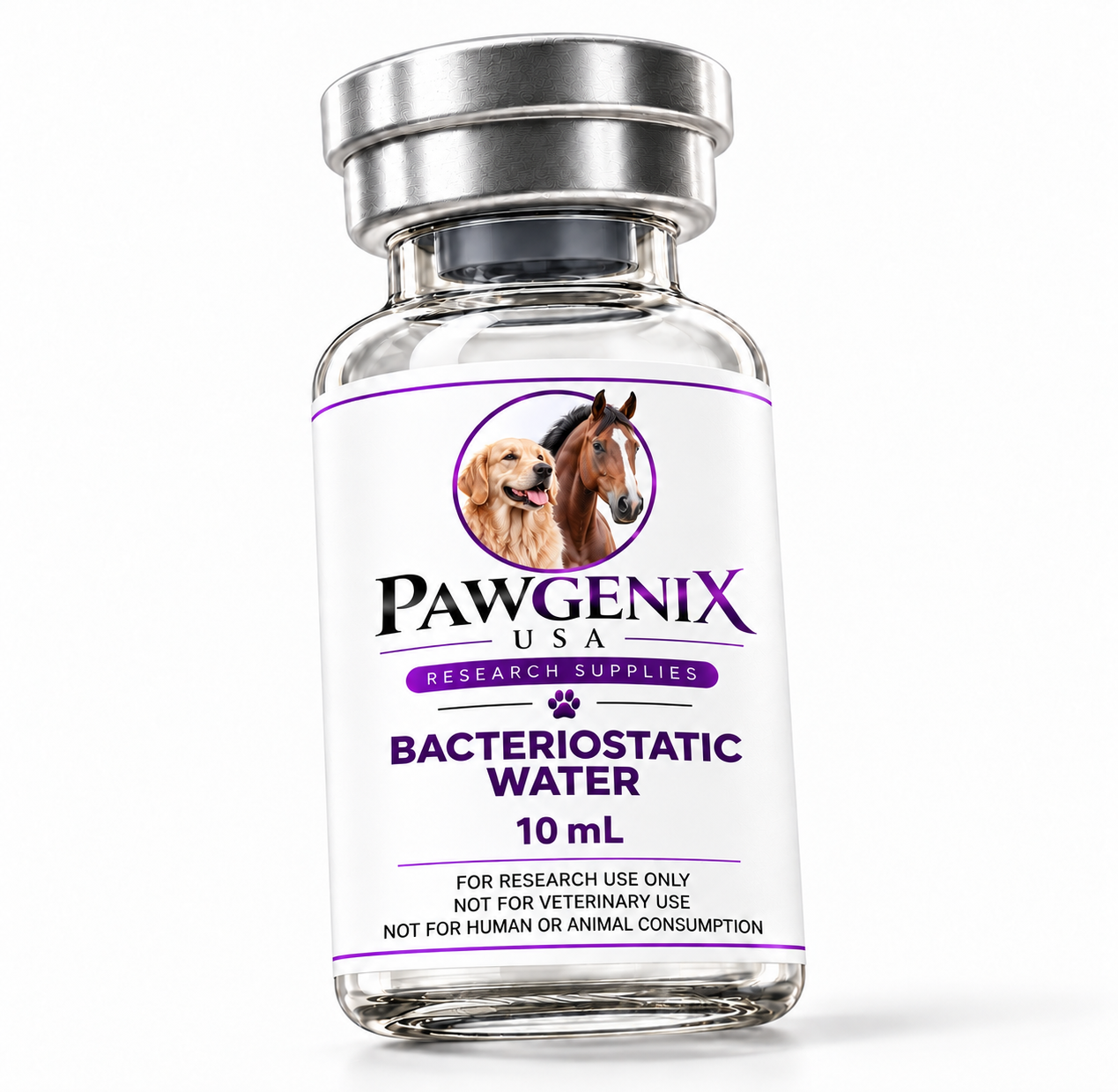
Research supplyBacteriostatic Water 10 mL per vial Research supplies

Research supplies

Bacteriostatic Water

10 mL per vial

Research supplies

Bacteriostatic water is water formulated with a preservative, commonly benzyl alcohol, to inhibit bacterial growth. It is a research supply, not a peptide.

Functions & experimental uses

Functions studied: A preservative inhibits bacterial growth. This function is different from sterilizing a contaminated solution or establishing compatibility with every peptide.

Experimental uses: Laboratory solution preparation when an experimental protocol specifies a compatible preserved-water formulation. Confirm the actual supplier specifications.

Animal research: This is an ancillary research supply, not an animal peptide or a veterinary-use product. The general manufacturer reference does not verify Pawgenix USA batch composition.

Definition & research focus
$8.00Per vial · USD
Sign in to add to cart